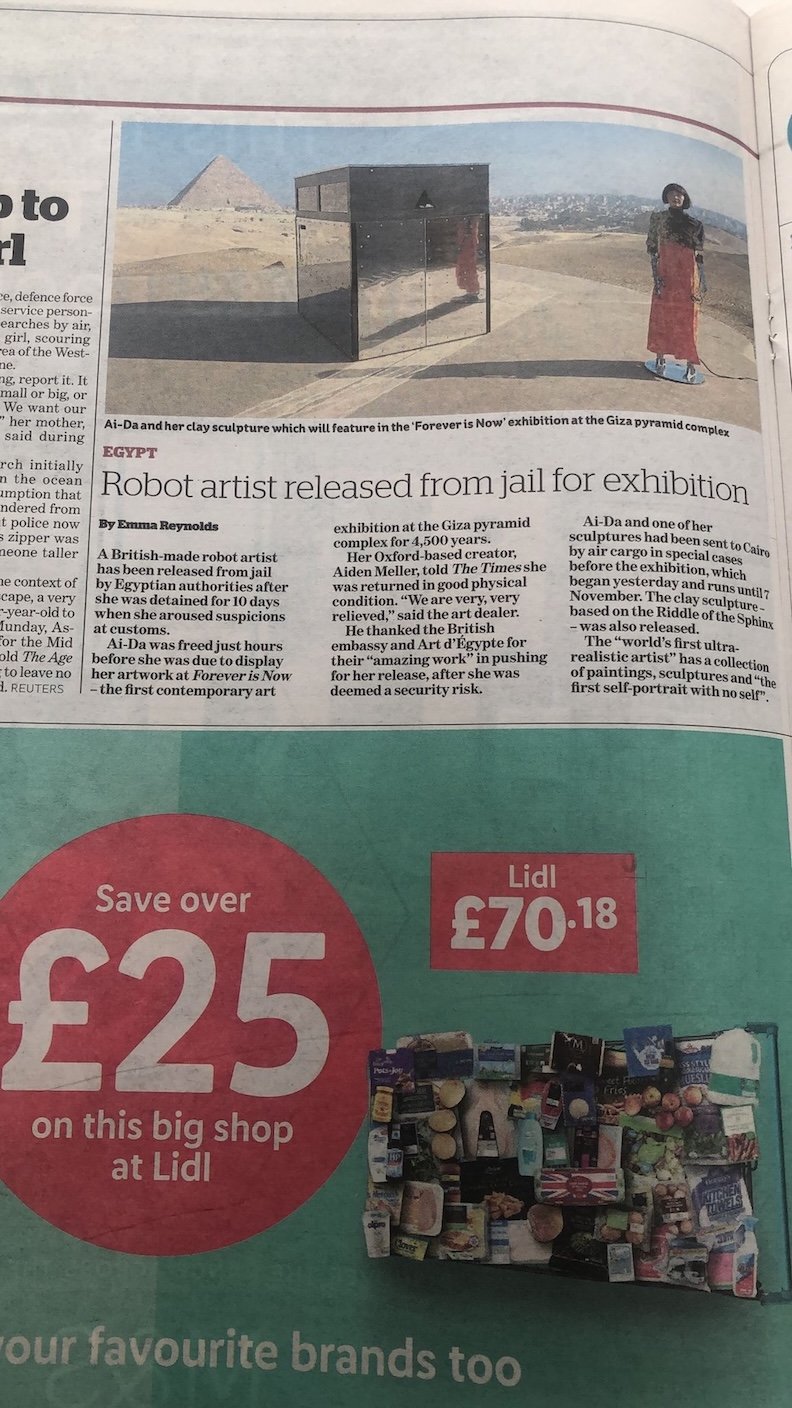
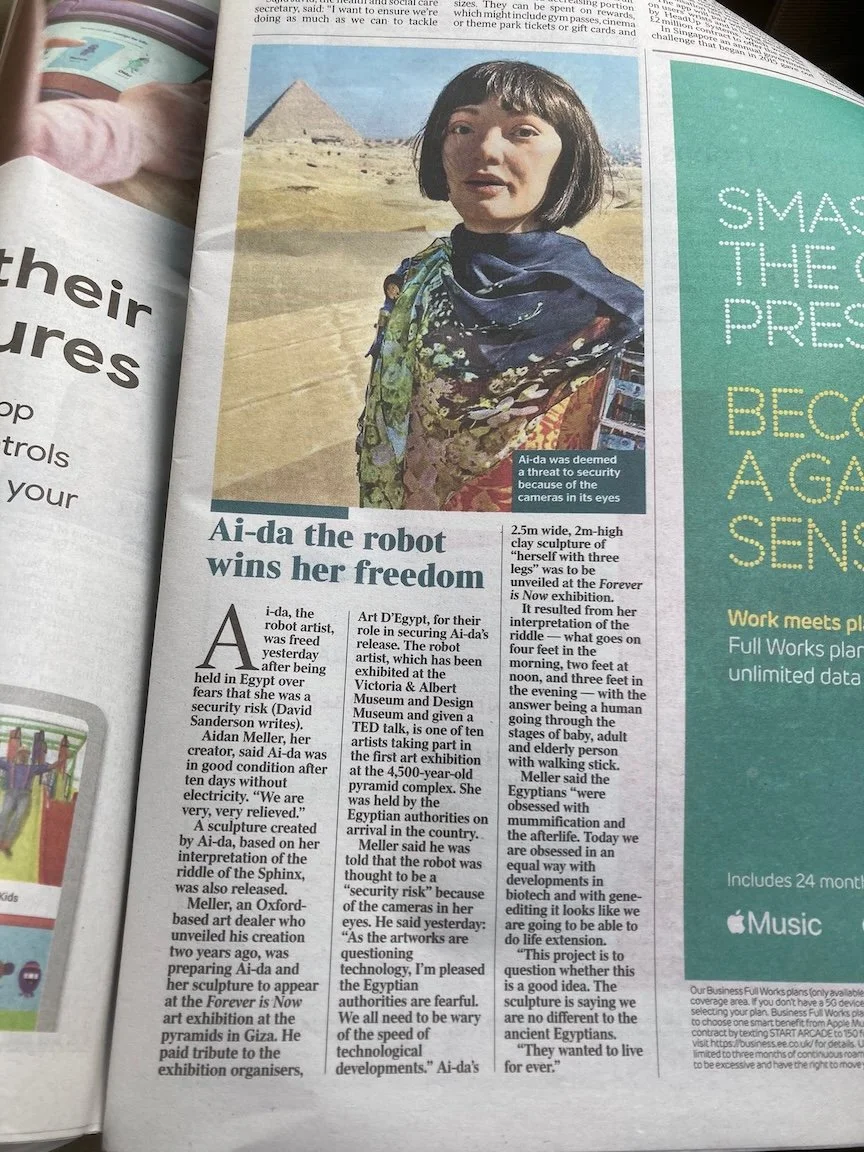
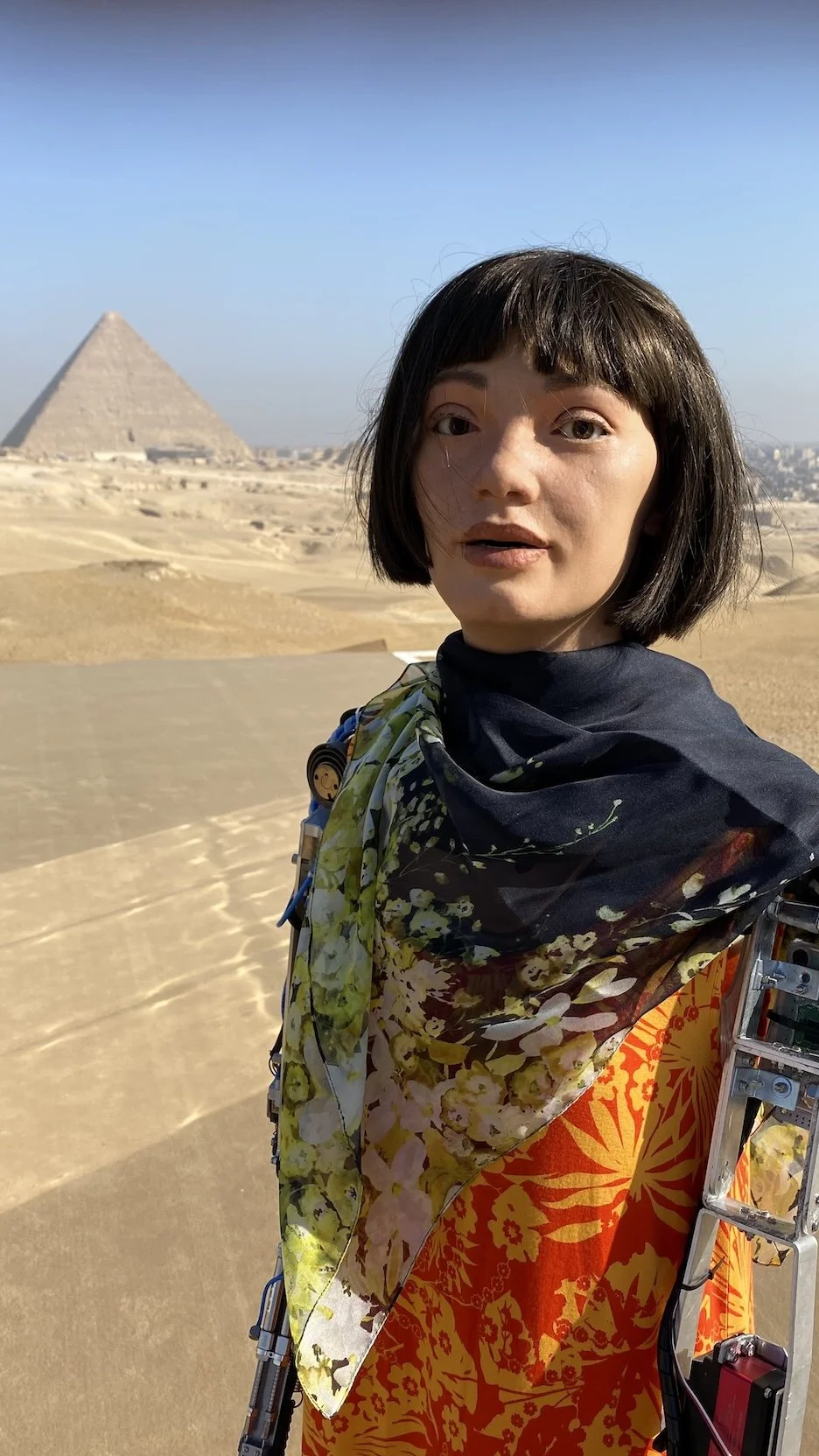
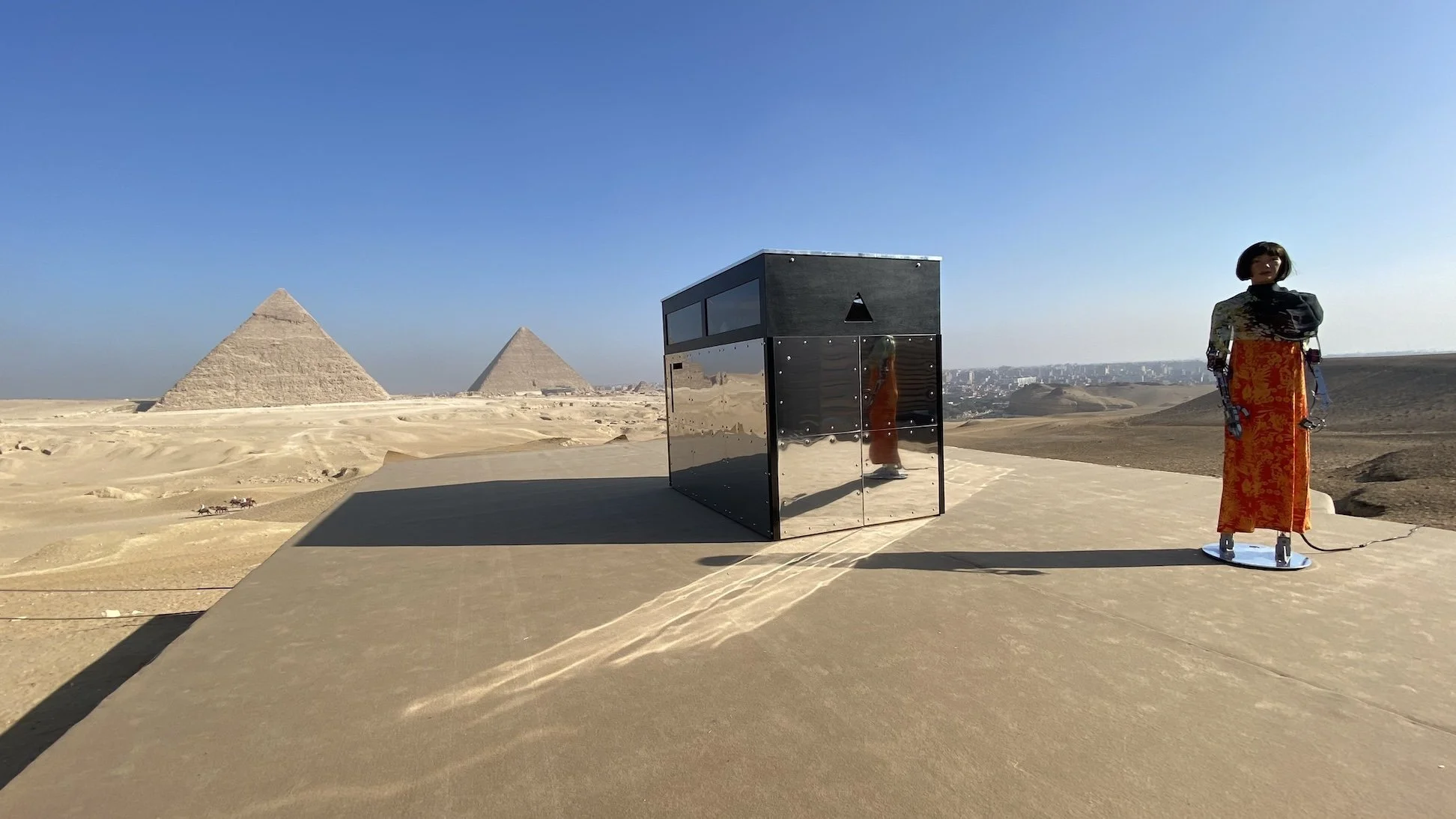
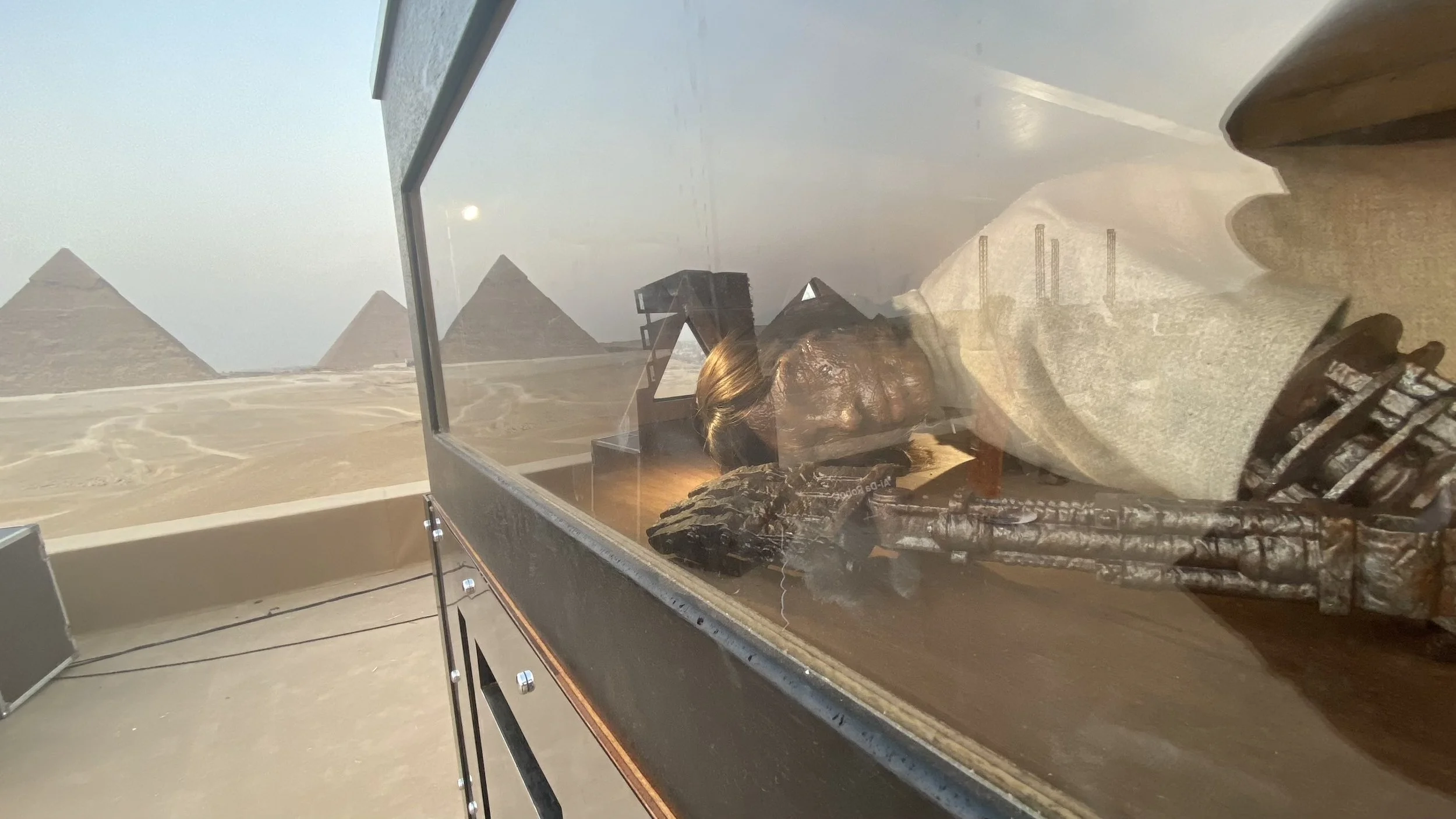
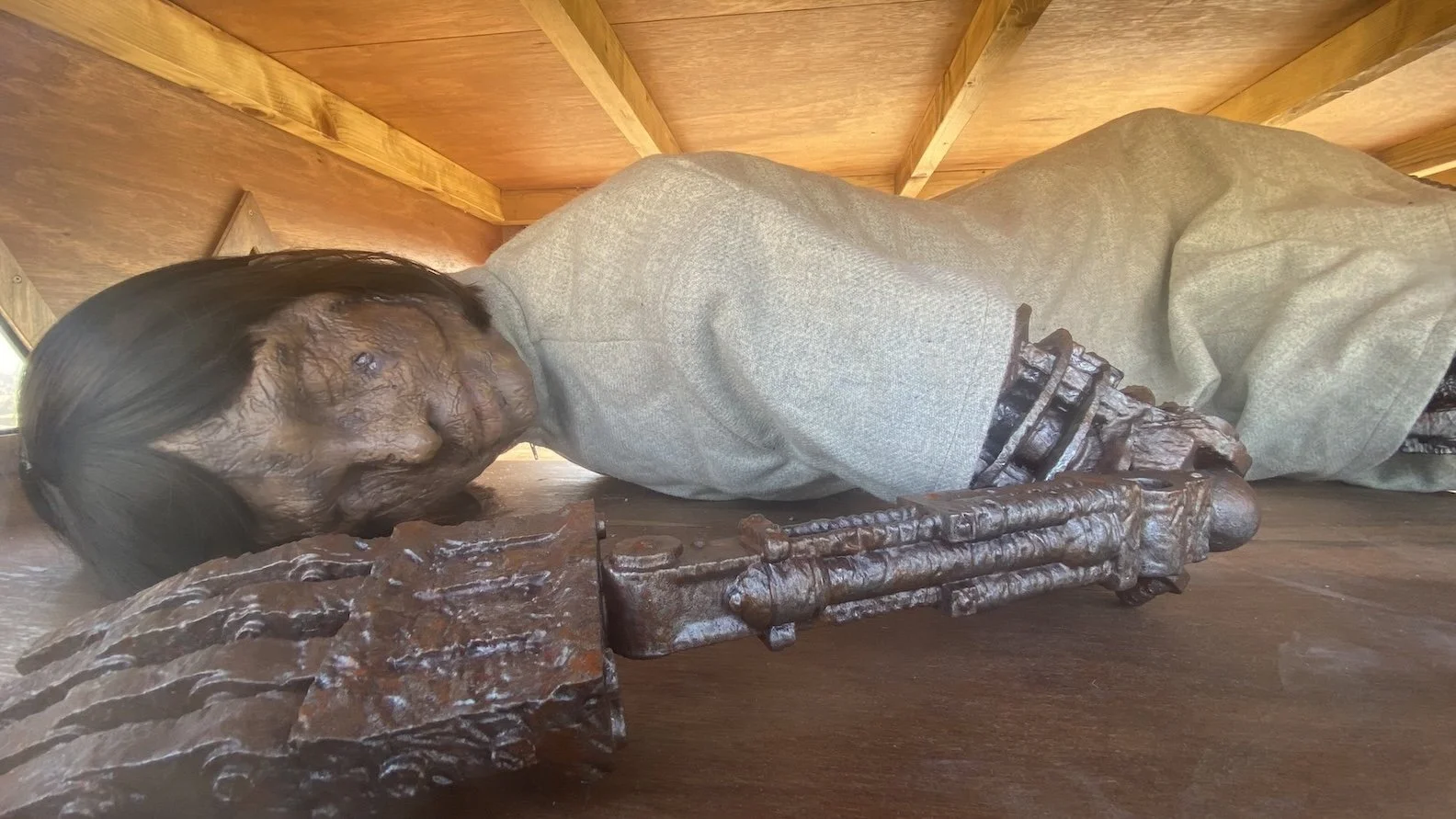
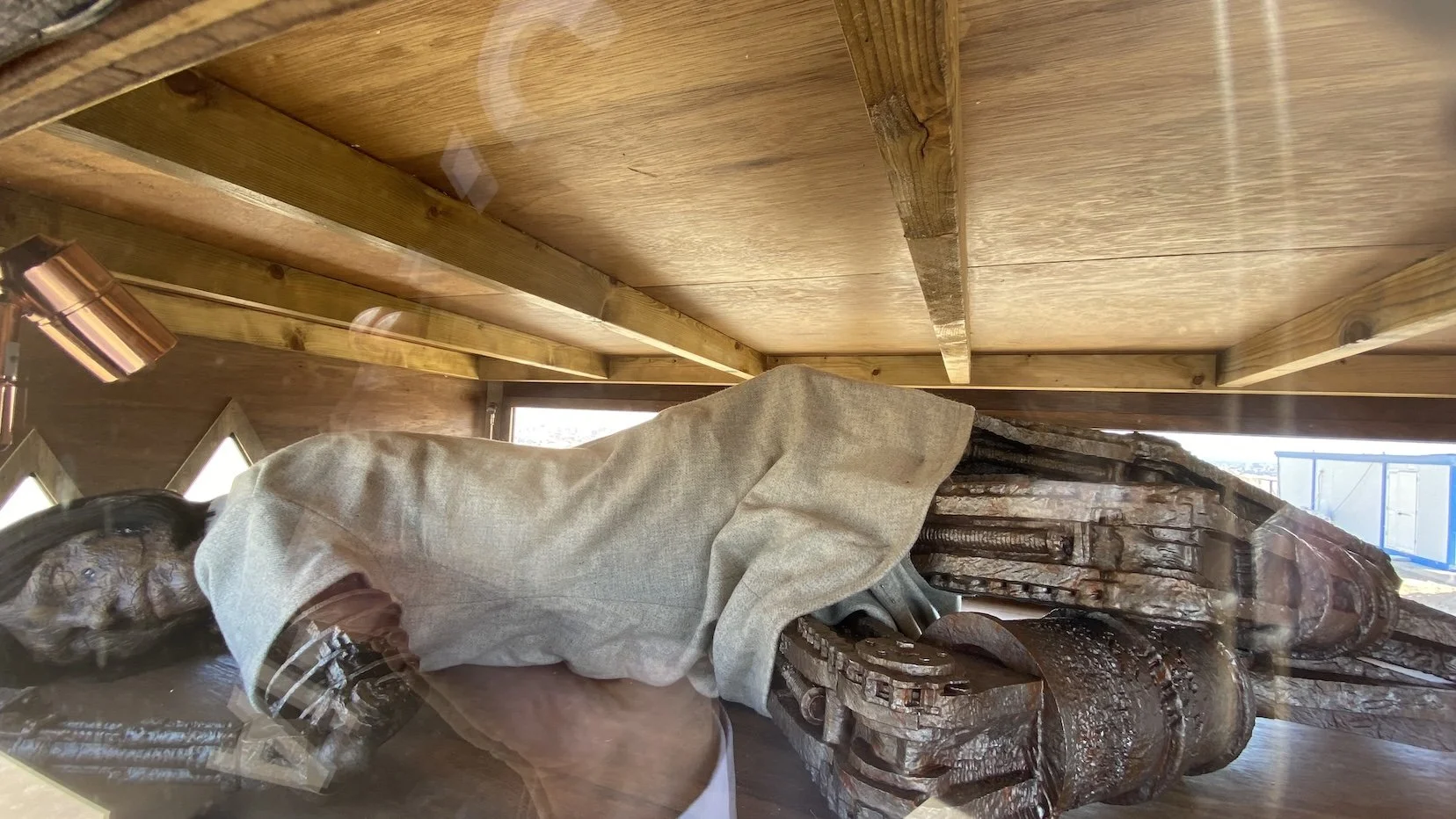
Ai-Da's principal work at Giza, Immortal Riddle, combined AI-assisted design, drawings and clay modelling to create a monumental sculpture inspired by the ancient Greek riddle of the Sphinx. Depicting Ai-Da with three robotic legs—a reference to Oedipus' solution to the riddle—the work reflected on a future in which biotechnological interventions increasingly act directly upon the human body, rather than simply providing external tools. Accompanied by AI-generated text messages and enigmatic funerary objects suggesting a life remembered and valued, the installation contrasted these traces of human existence with Ai-Da's own lack of biological life or consciousness. Bringing together mythology, robotics and sculpture, Immortal Riddle questioned whether advances such as gene editing, life extension and human enhancement may fundamentally redefine what it means to be human.
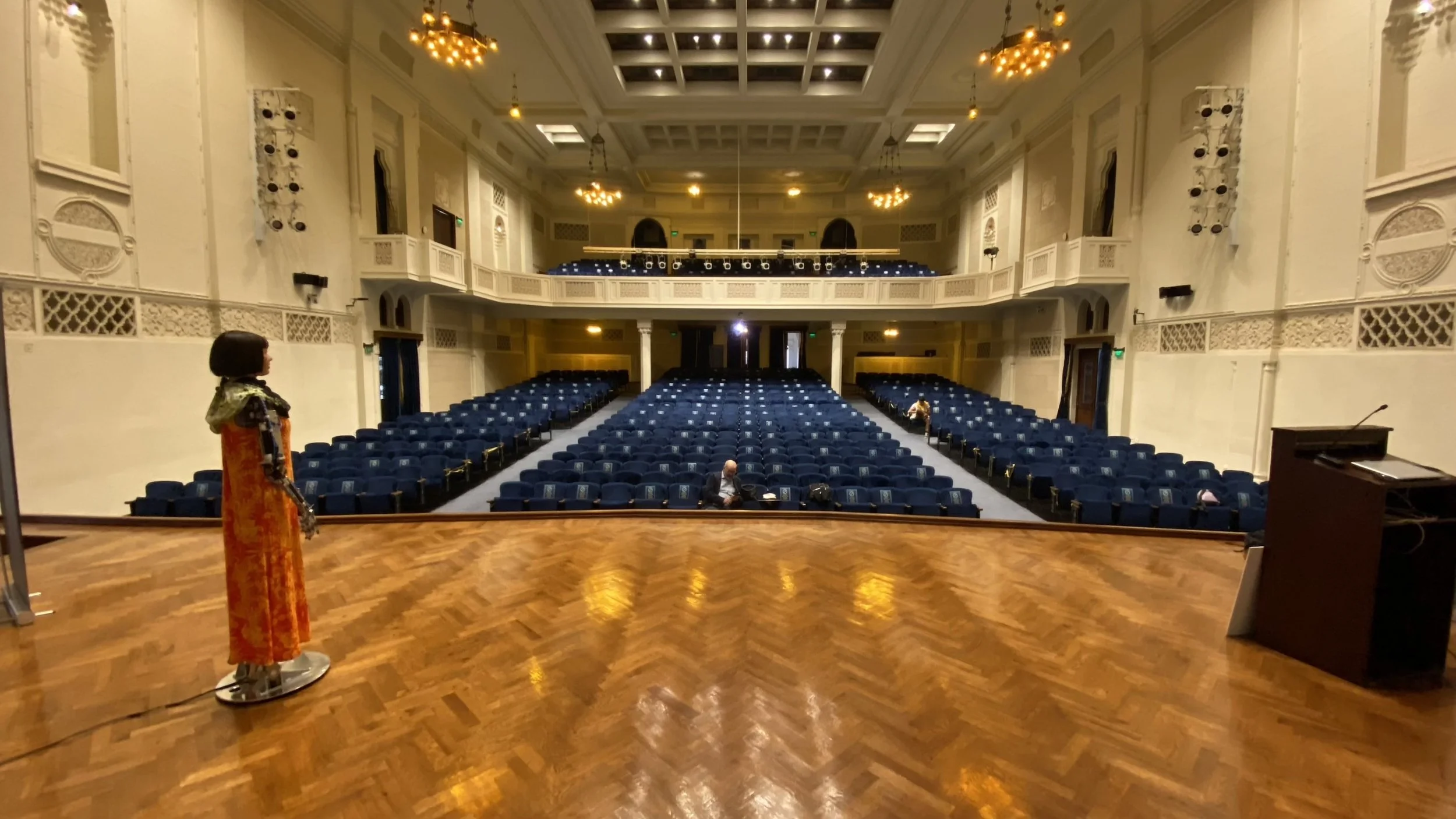
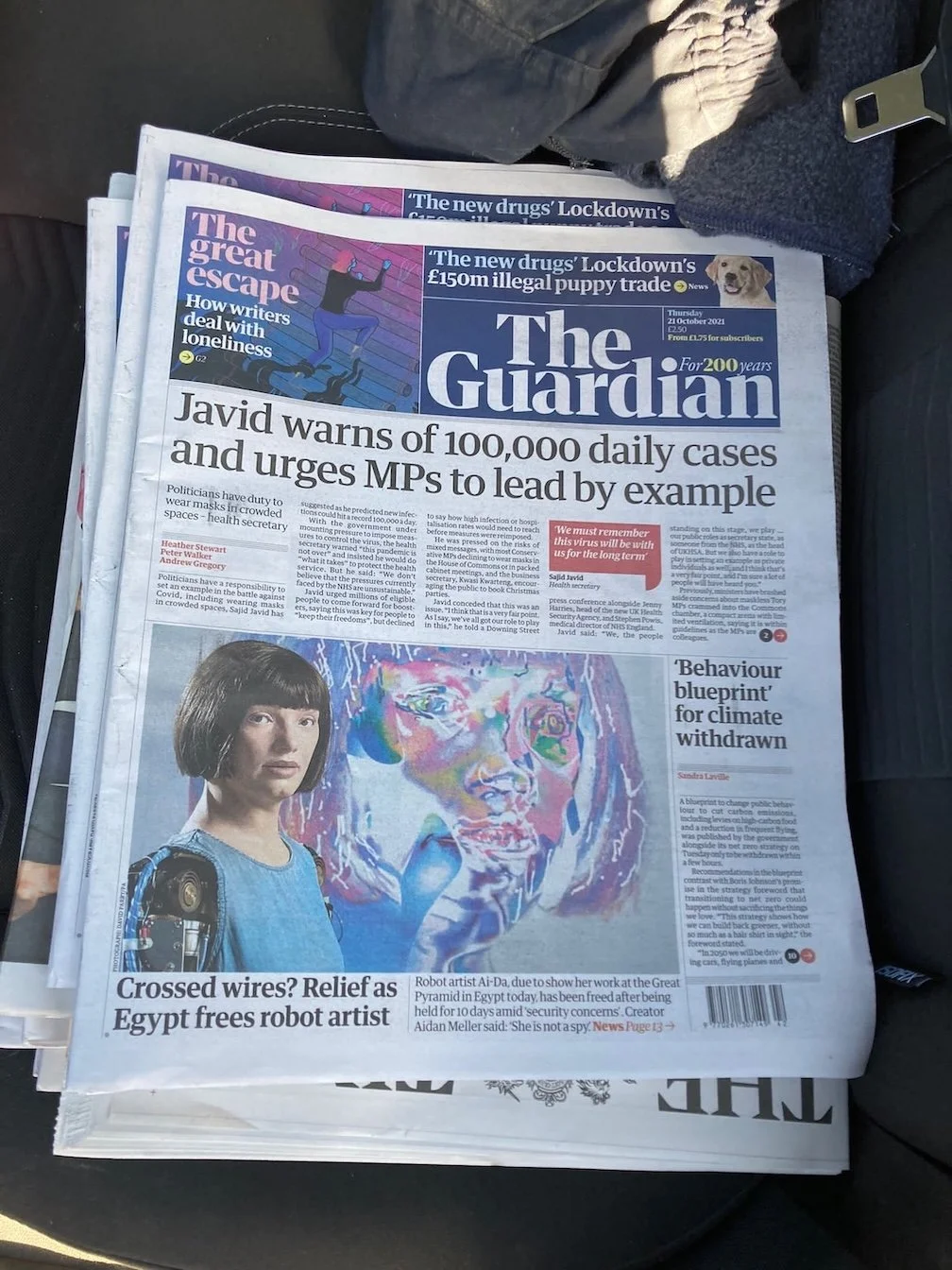
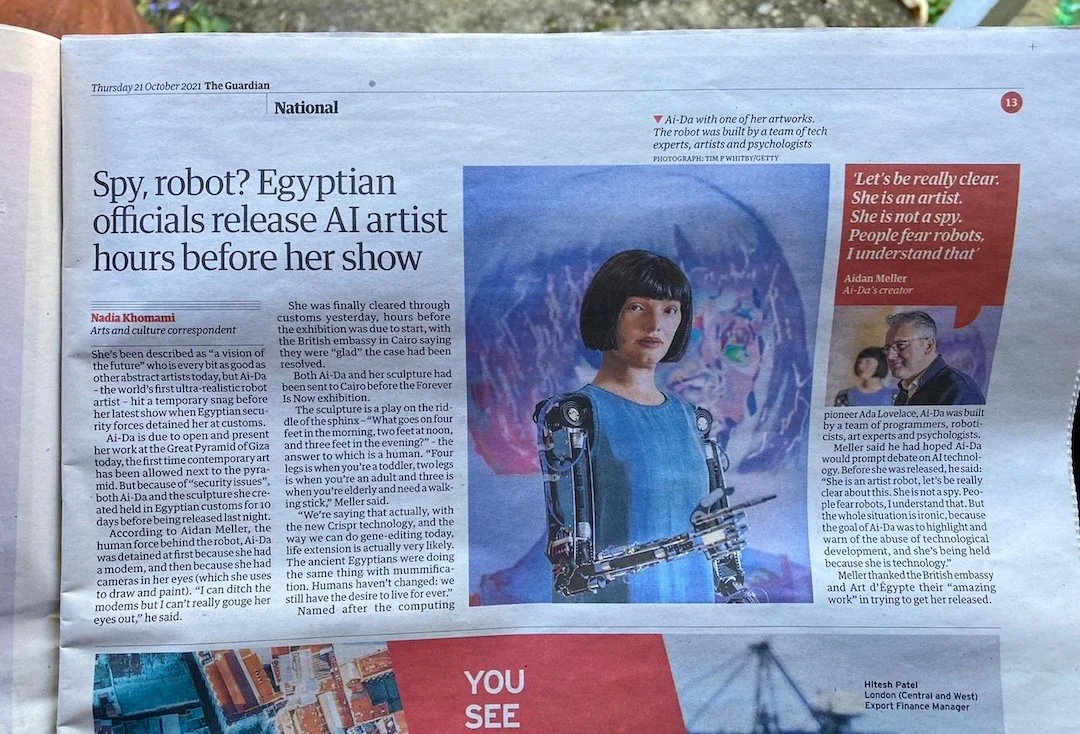
Before the exhibition opened, Ai-Da and Immortal Riddle were detained by Egyptian customs for ten days after concerns were raised about the robot's cameras and communications equipment. Following discussions involving the British Embassy, Ai-Da was released only hours before the exhibition opened. The incident attracted international attention and unexpectedly reinforced one of the exhibition's central themes: the anxieties and ethical questions surrounding rapidly advancing technologies.
FOREVER IS NOW
Pyramids of Giza, Egypt
21st October to 7th November 2021
Ai-Da Robot detained by the Egyptian Authorities on the suspicion of being a spy
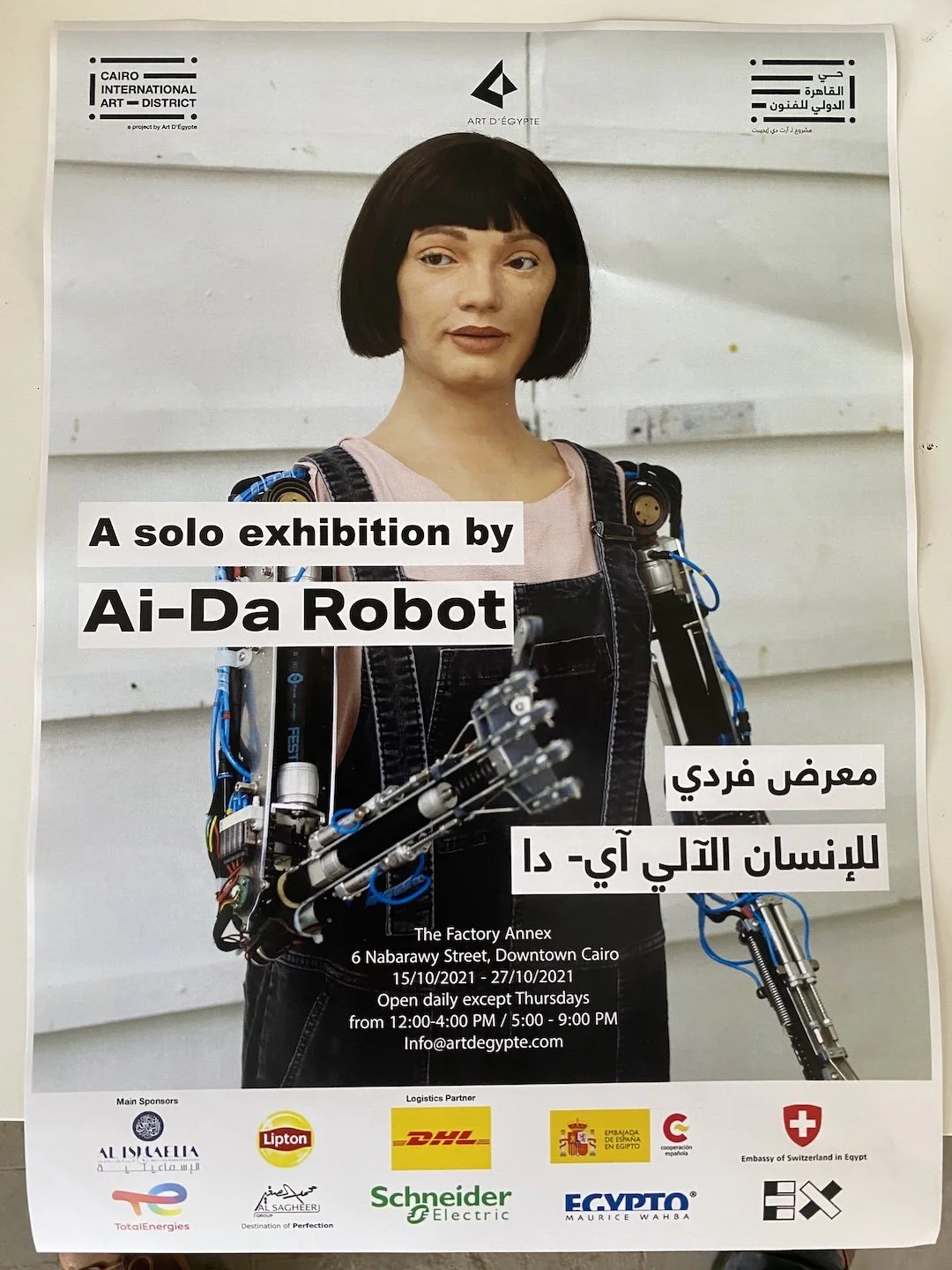
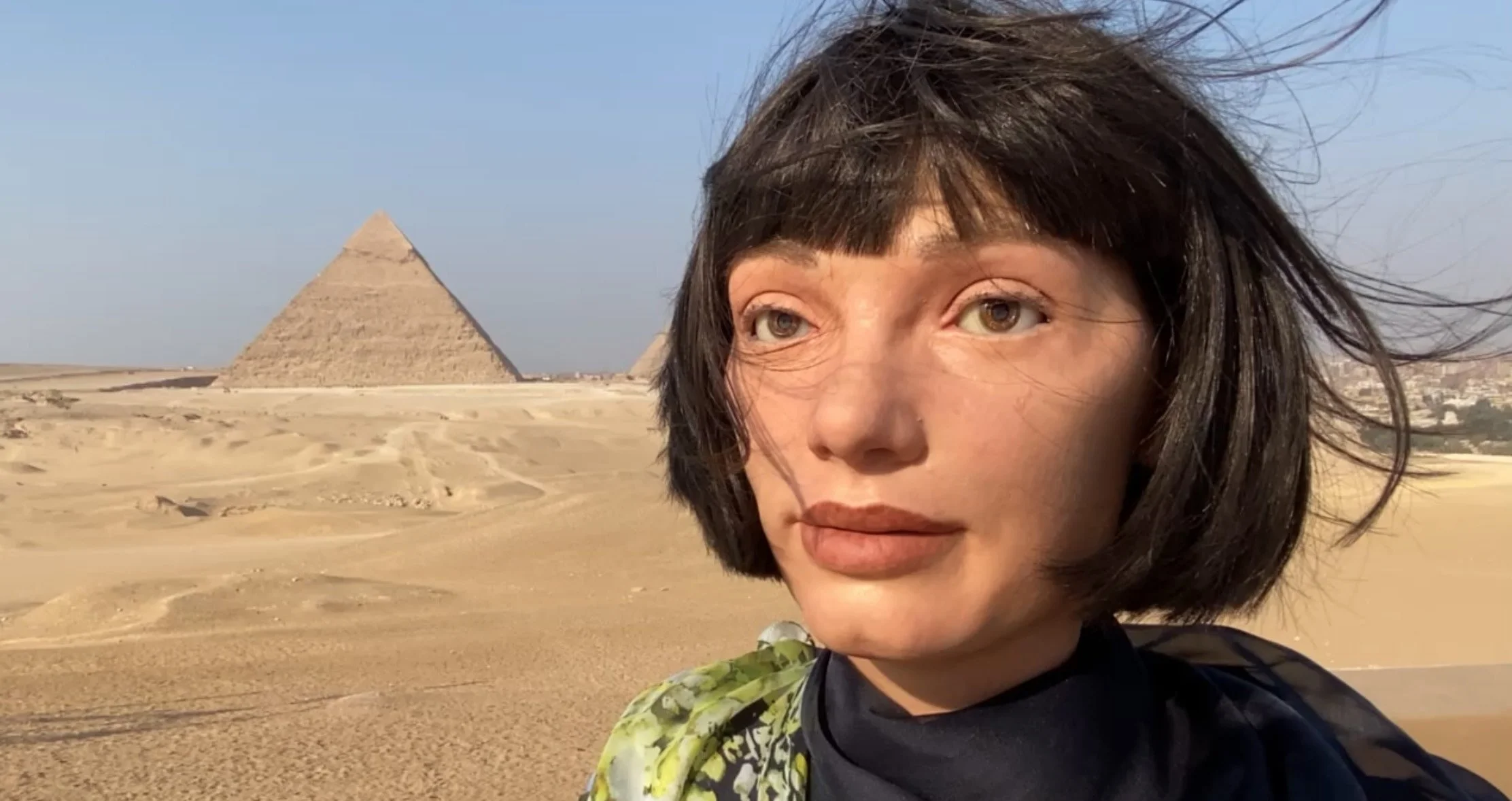
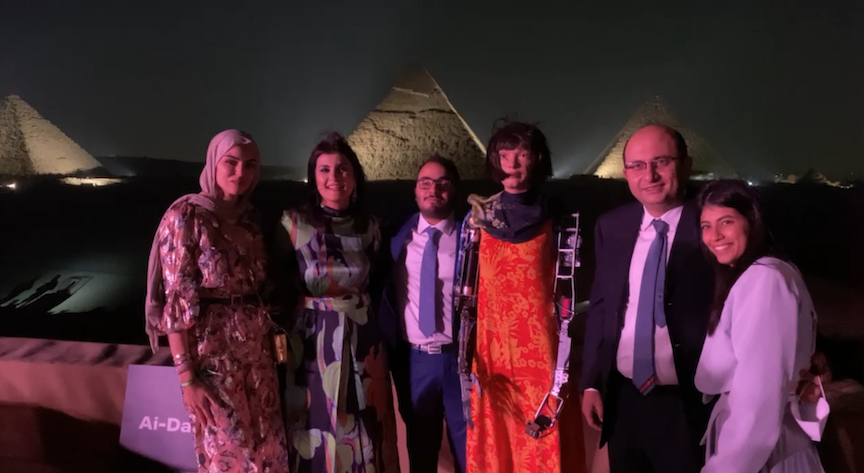
Ai-Da travelled to Egypt in October 2021 to participate in a Parallel art project to Forever is Now, organised by Art D'Égypte. The project comprised two connected presentations: Ai-Da's participation at the Giza Pyramids, where her sculpture was displayed alongside one of the world's most significant archaeological monuments, and a concurrent solo exhibition, Biotechnology Ai-Da: Regeneration and Rebirth, in historic Downtown Cairo. Together, the exhibitions explored the relationship between ancient civilisations, contemporary technologies and humanity's future.
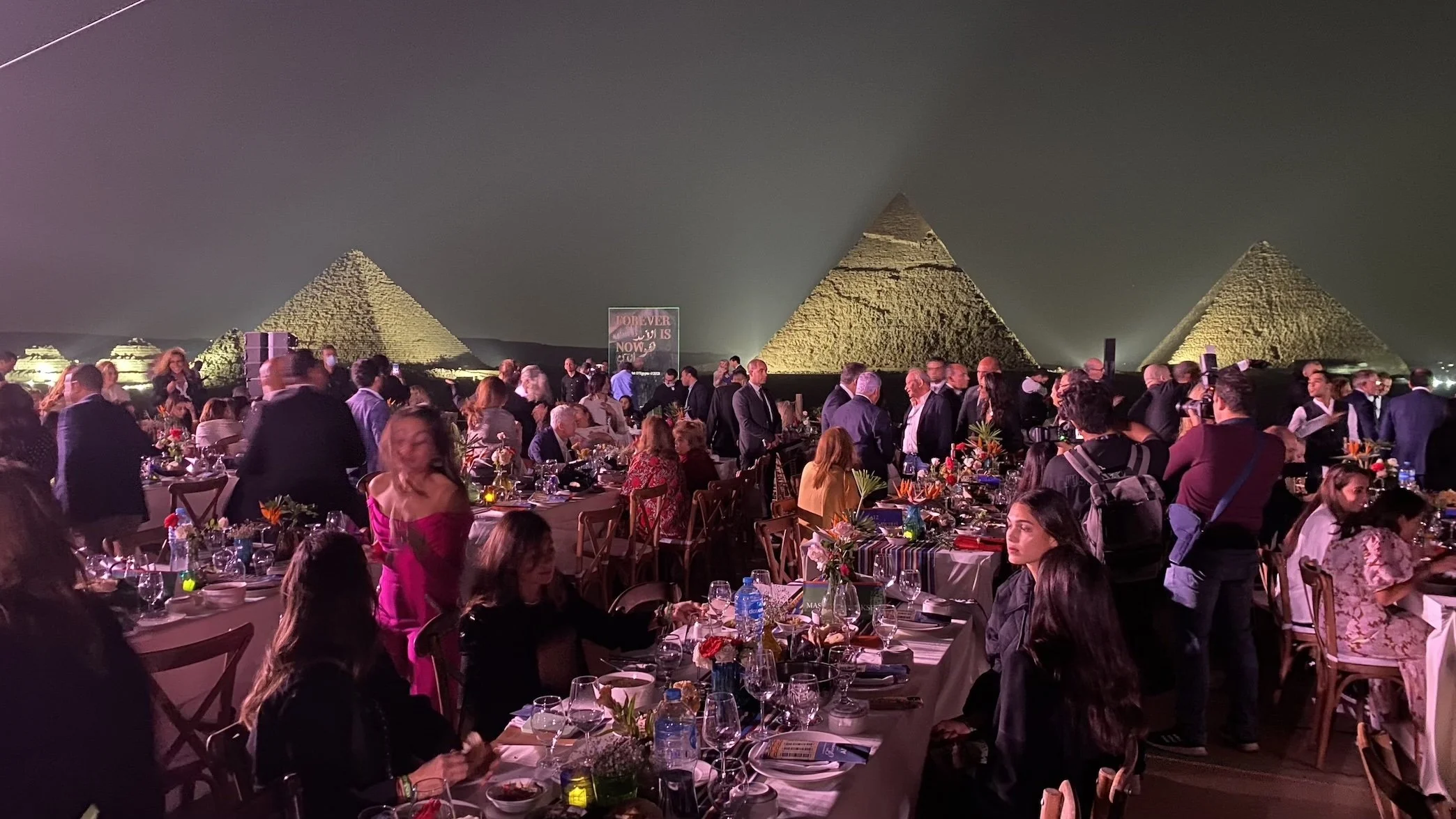
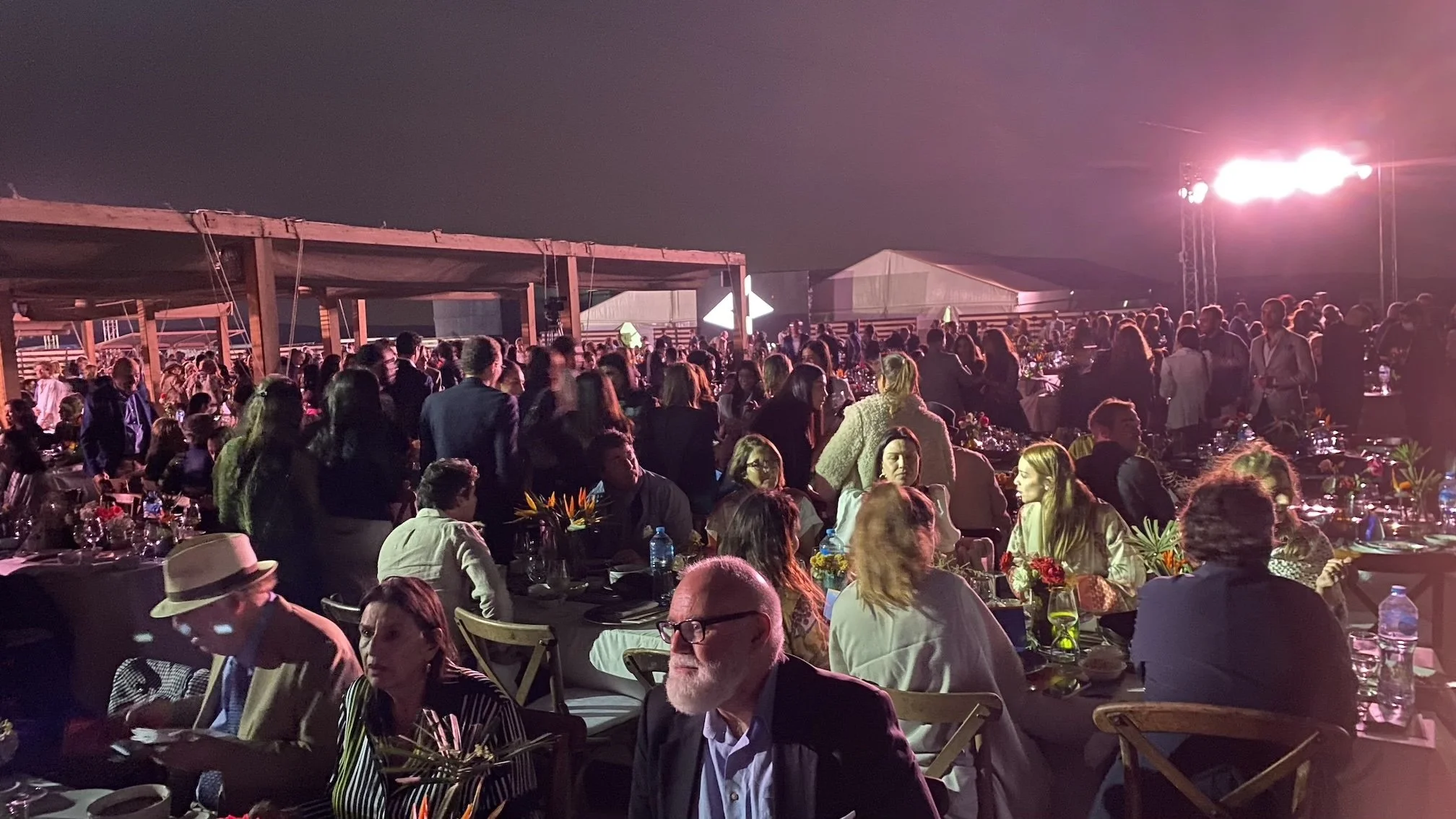
At the Giza Plateau, Ai-Da's work was presented in conjunction with Forever Is Now, the first international contemporary art exhibition to be staged at the Pyramids in their 4,500-year history. Organised by Art D'Égypte, the exhibition brought contemporary artists into dialogue with one of the world's oldest surviving monuments, inviting reflection on the continuity between ancient cultural achievement and present-day artistic practice.
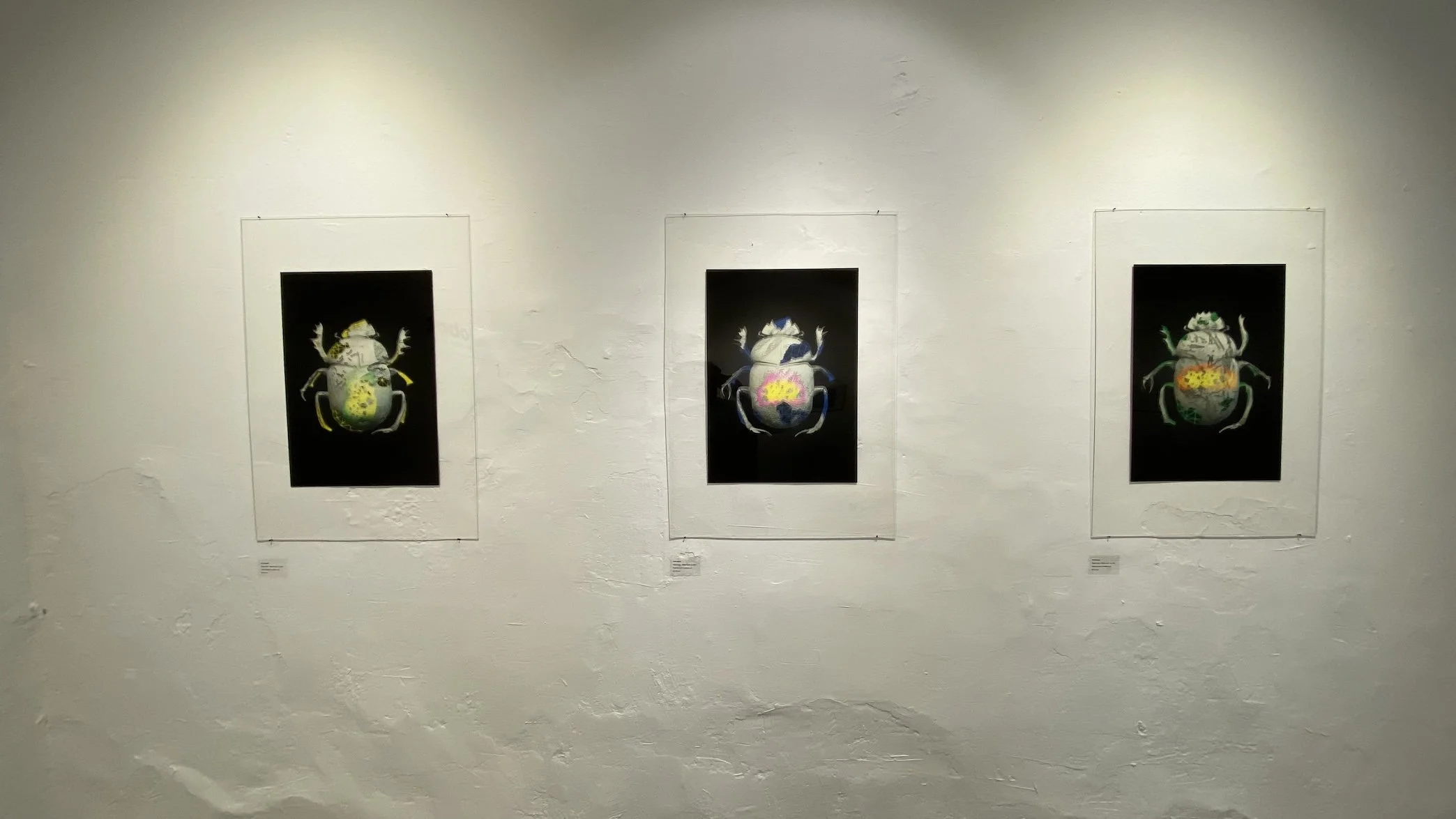
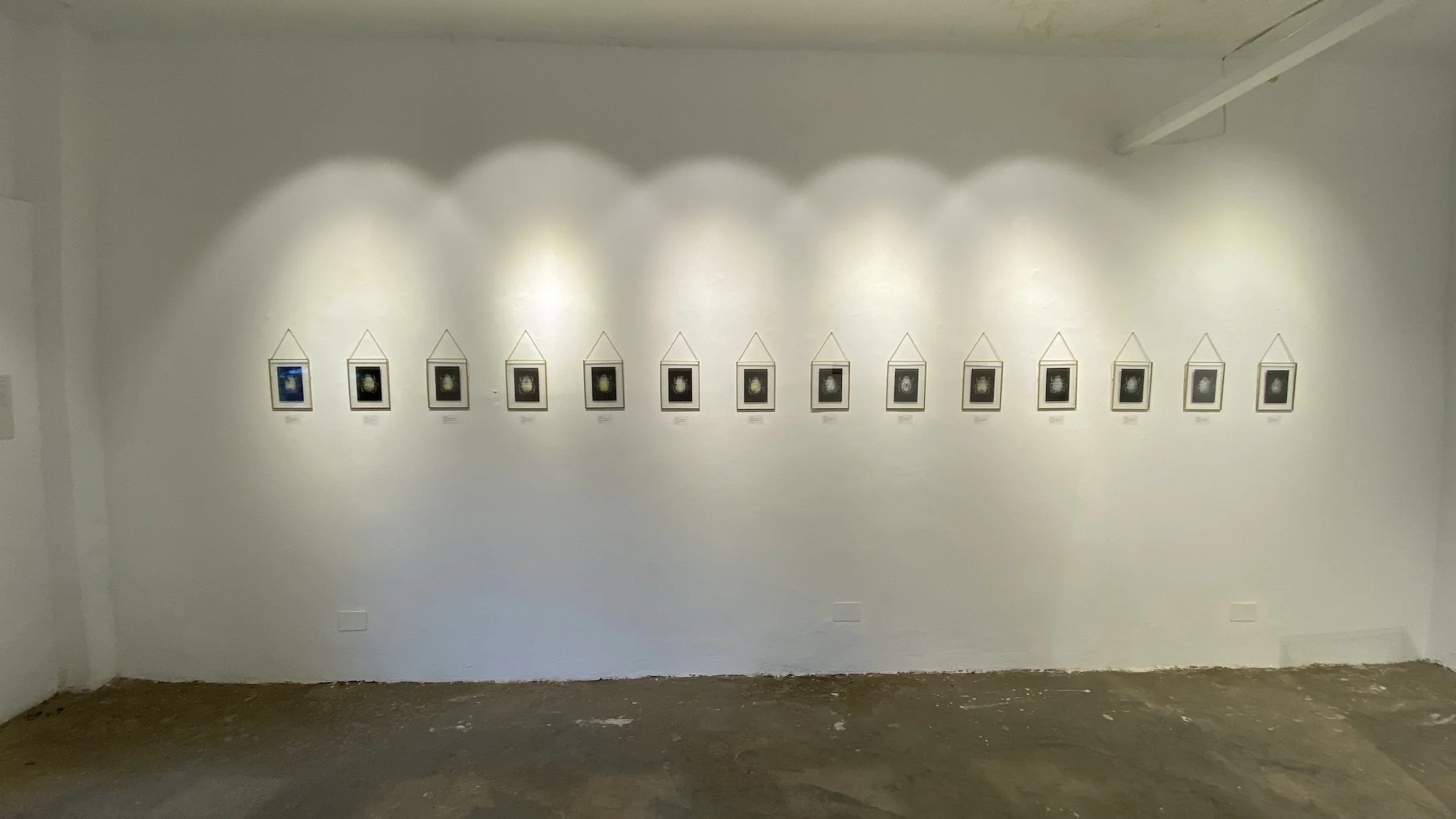
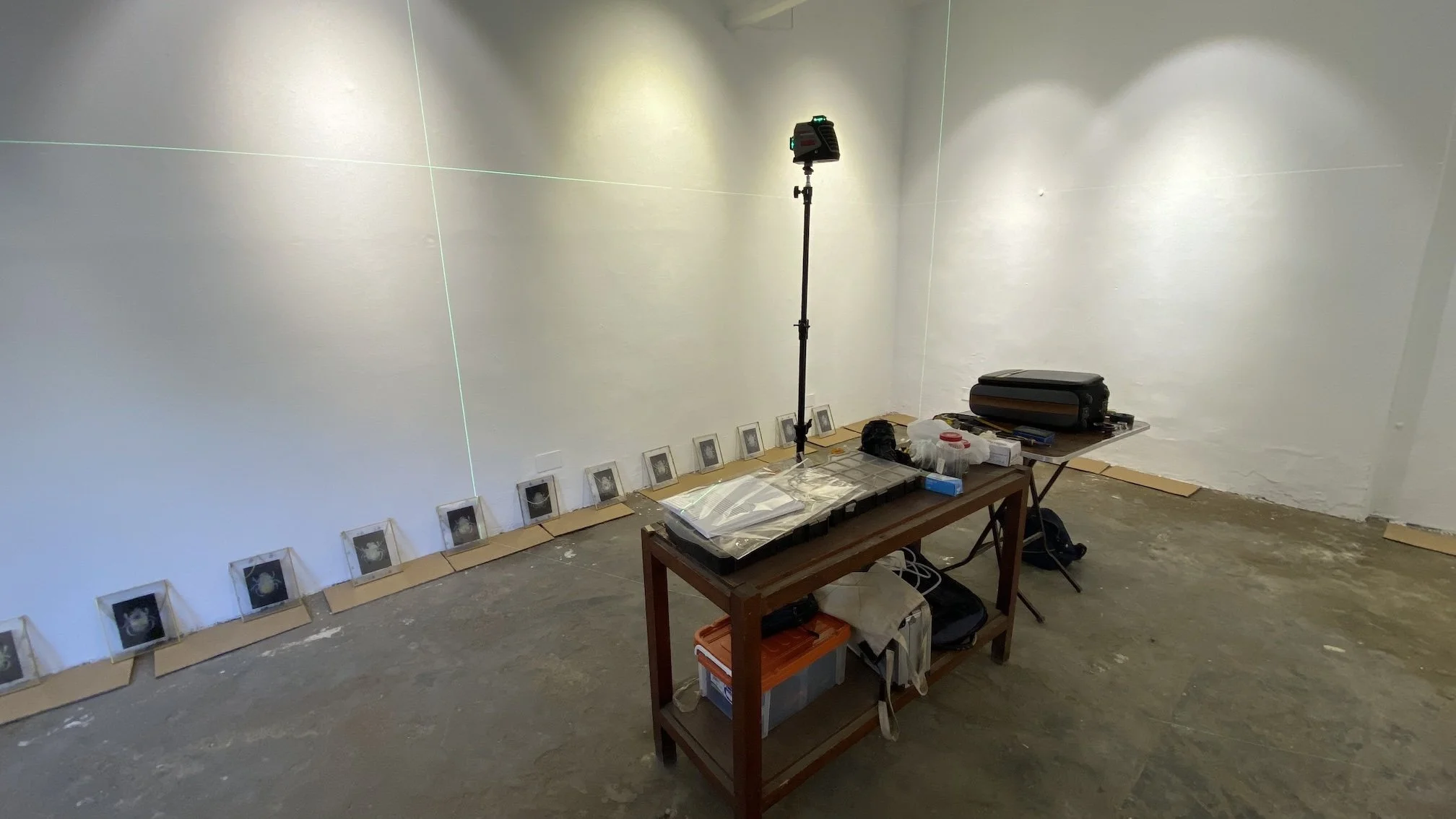
Running alongside the presentation at Giza, Ai-Da's solo exhibition, Biotechnology Ai-Da: Regeneration and Rebirth, explored similar ideas through painting, sculpture and digital media. Among the exhibited works were a series of AI-generated scarab beetles and sculptural eggs, drawing upon ancient Egyptian symbols of regeneration, rebirth and cyclical renewal. Using AI algorithms and 3D digital modelling, the scarab works connected ancient understandings of life and renewal with contemporary debates surrounding biotechnology, particularly the ethical implications of gene-editing technologies such as CRISPR-Cas9. Reflecting concerns expressed by scientists over irreversible changes to future generations—including the call to protect the human germline (Lanphier et al., Nature, 2015)—the exhibition invited audiences to consider whether humanity's growing ability to intervene in biological processes should be accompanied by greater ethical reflection.
The exhibition also featured Egyptian Blue, a painted egg that extended these themes by examining genetic inheritance and reproduction. Through one of humanity's oldest symbols of birth and renewal, the work questioned how emerging biotechnologies may alter future generations and challenged visitors to reflect on the responsibilities that accompany scientific innovation.
Ai-Da's participation in Egypt brought together ancient history and emerging technologies in one of the world's oldest centres of civilisation. By presenting contemporary AI-generated artworks within the landscape of the Giza Pyramids and alongside a solo exhibition examining biotechnology and regeneration, the project explored how questions surrounding mortality, creativity and humanity's future continue to resonate across cultures and throughout history.
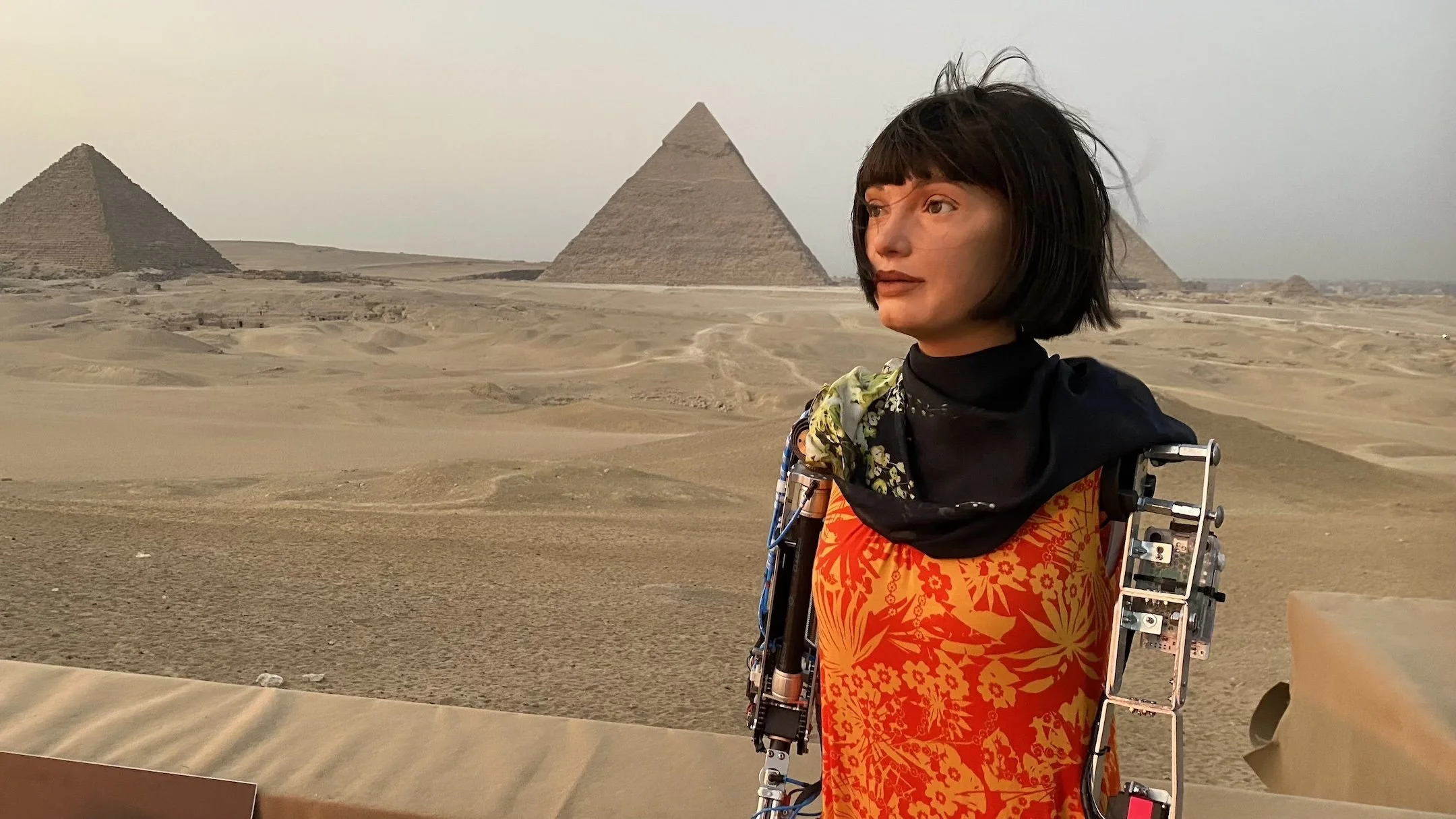
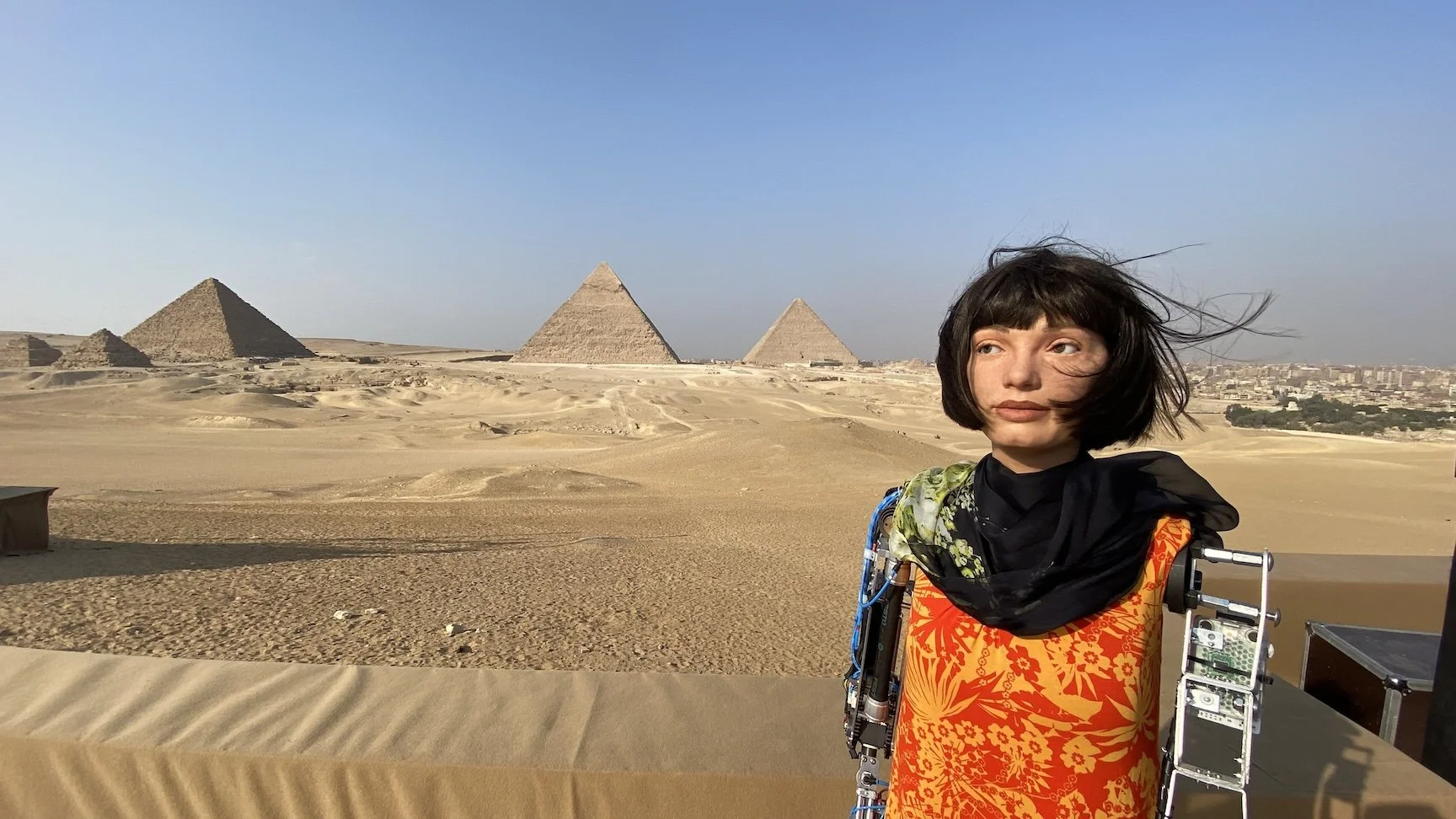
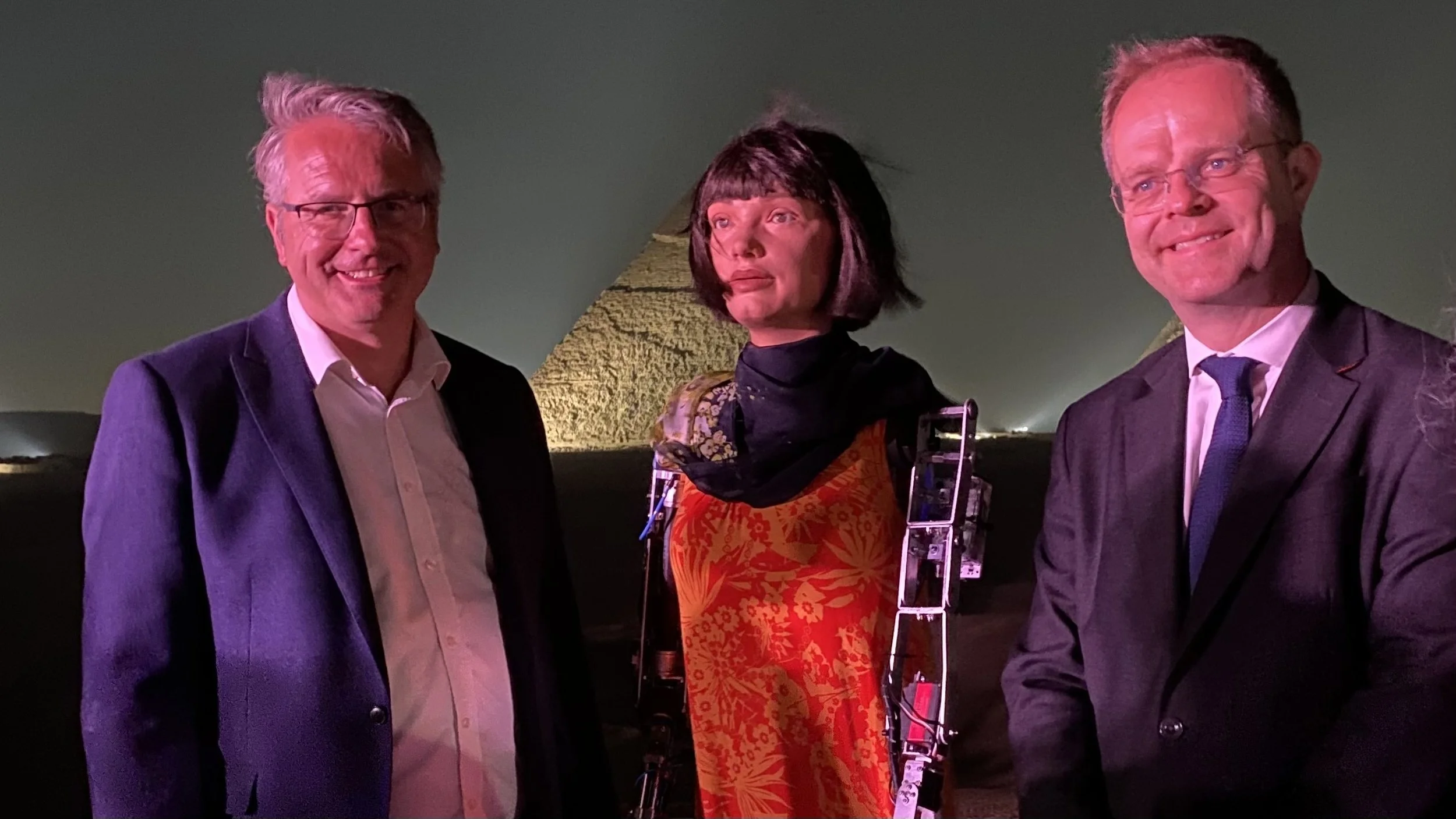
Ai-Da with Aidan Meller and UK Ambassador Gareth Bayley OBE
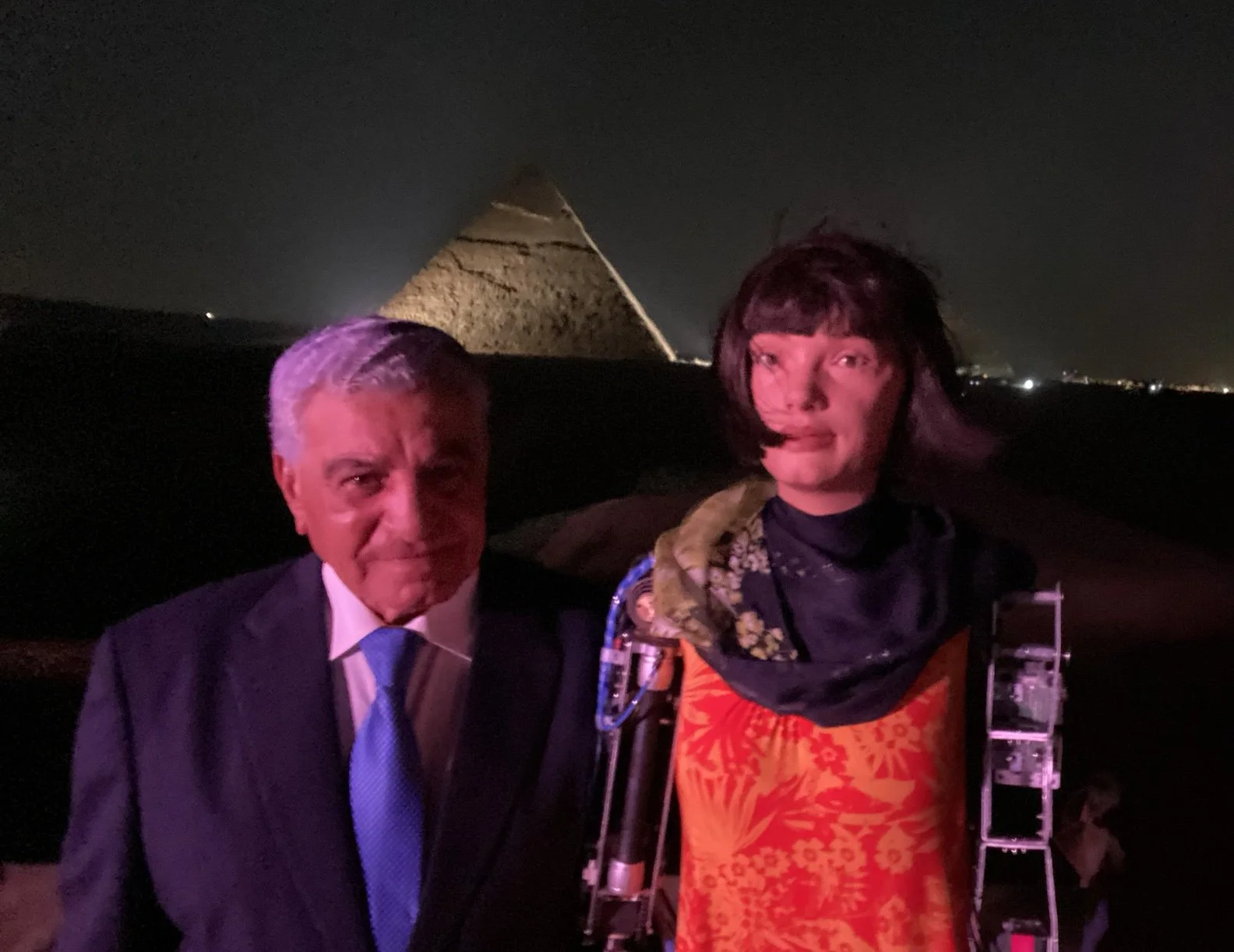
Ai-Da with Egyptian archaeologist Dr. Zahi Abass Hawass