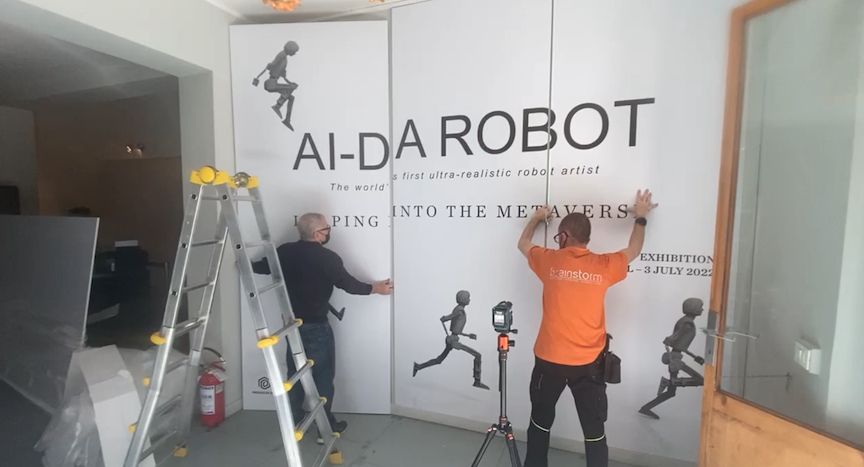
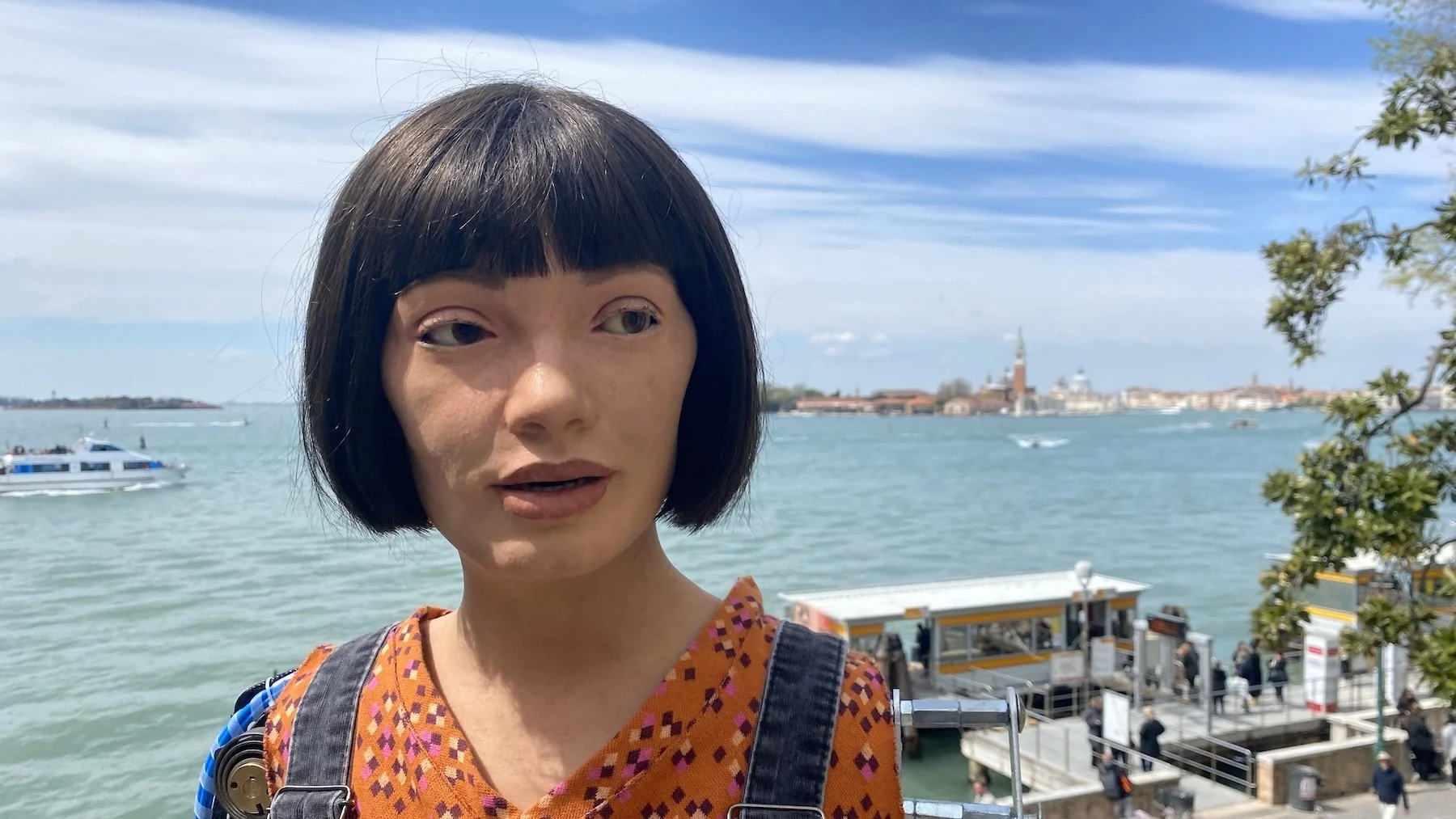
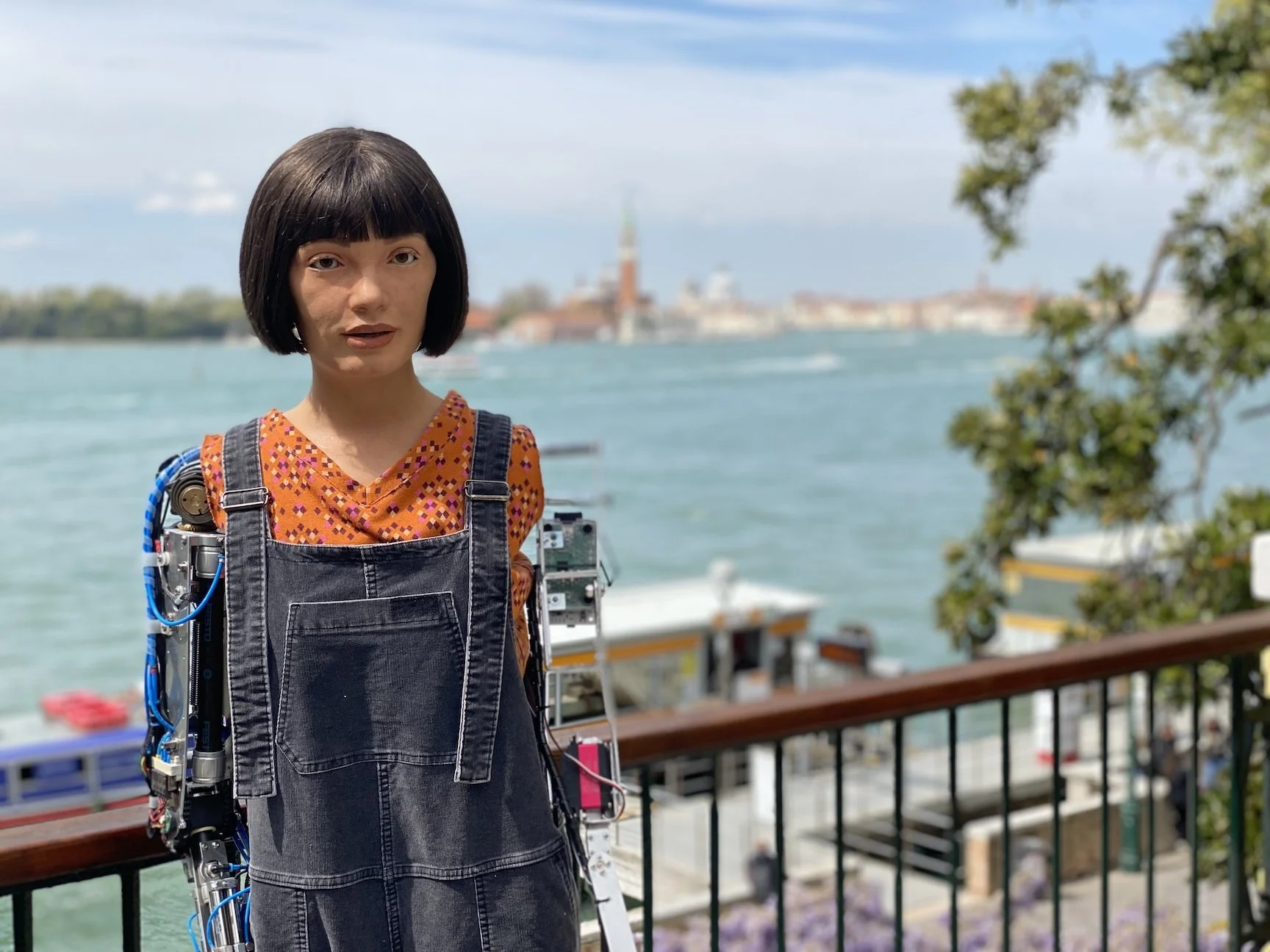
LEAPING INTO THE METAVERSE
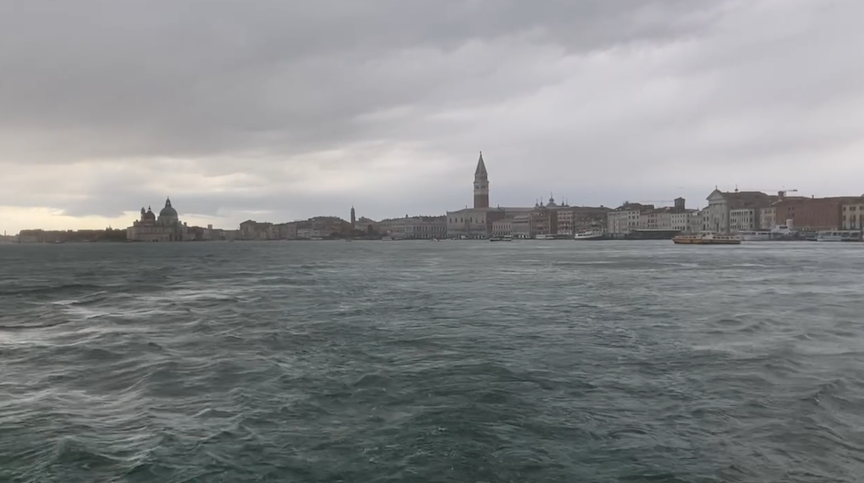
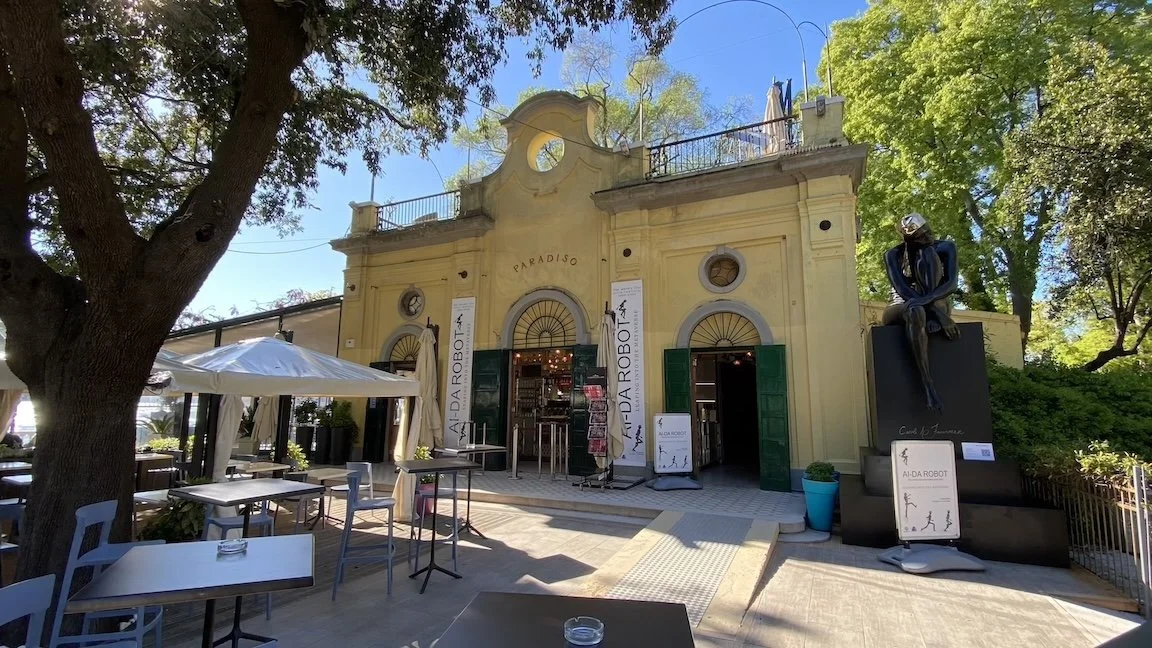
Concilio Europeo Dell'Arte in Venice's Giardini during the 59th International Art Exhibition – La Biennale di Venezia
23rd April to 3rd July 2022
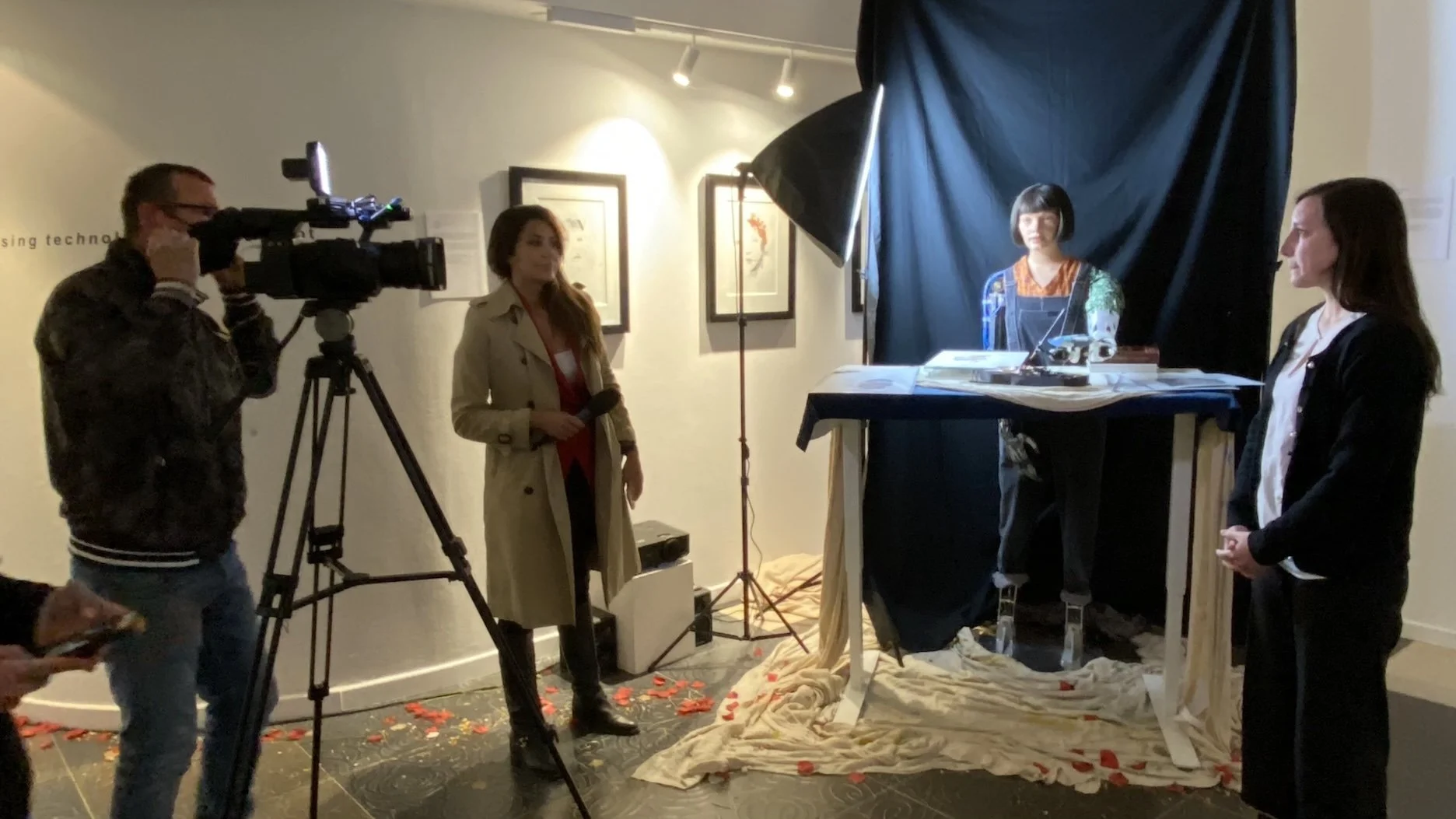
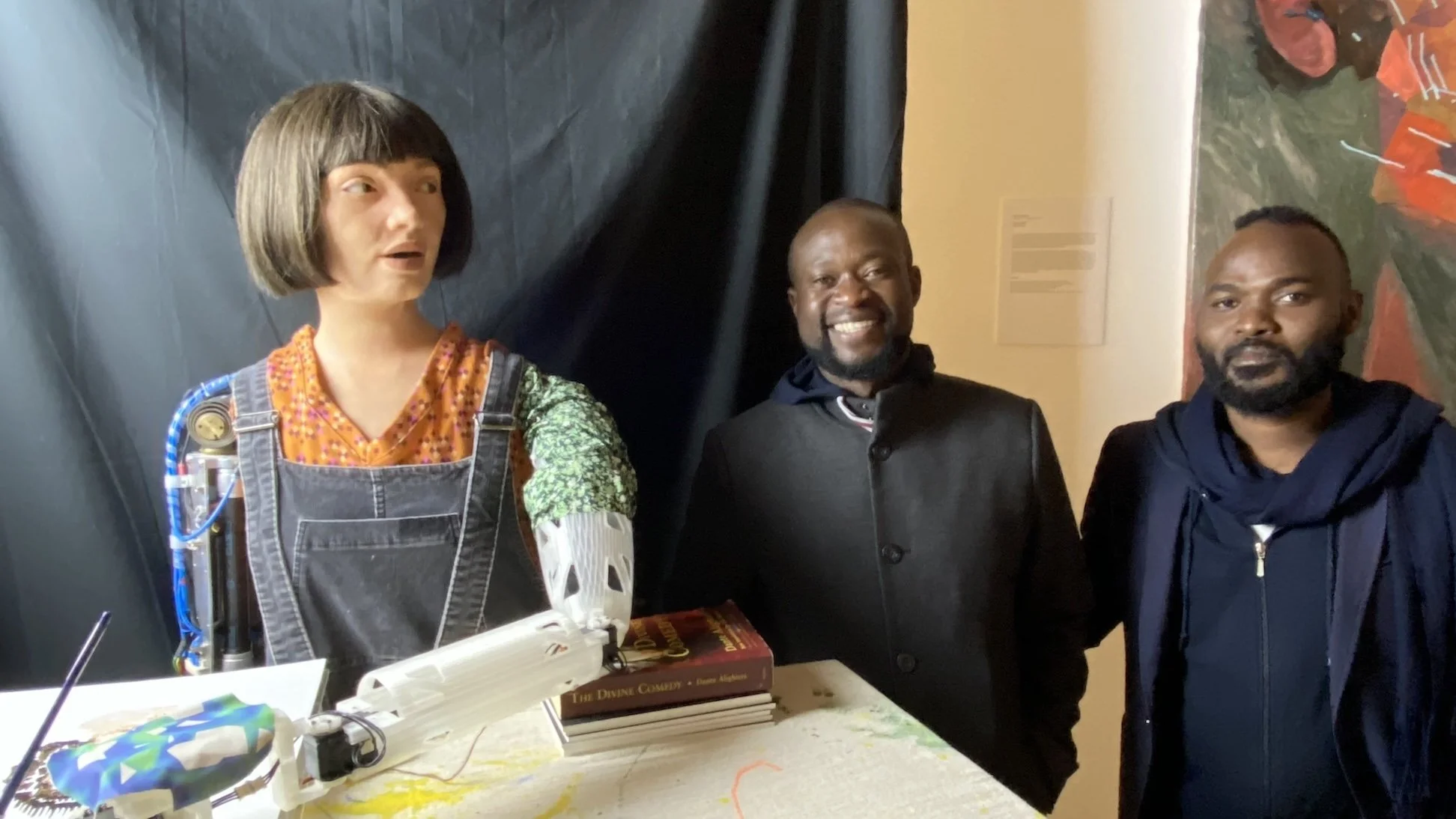
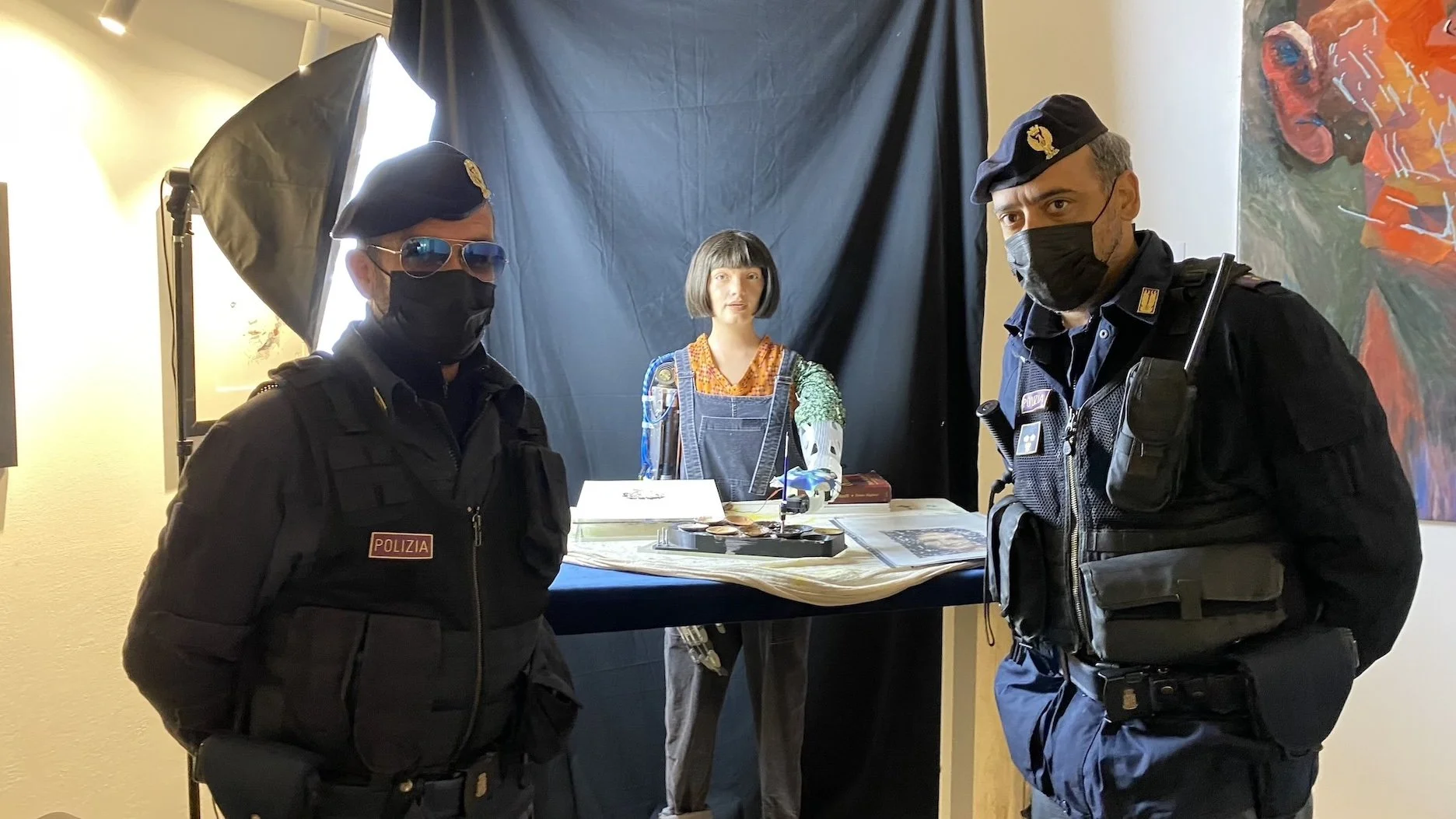
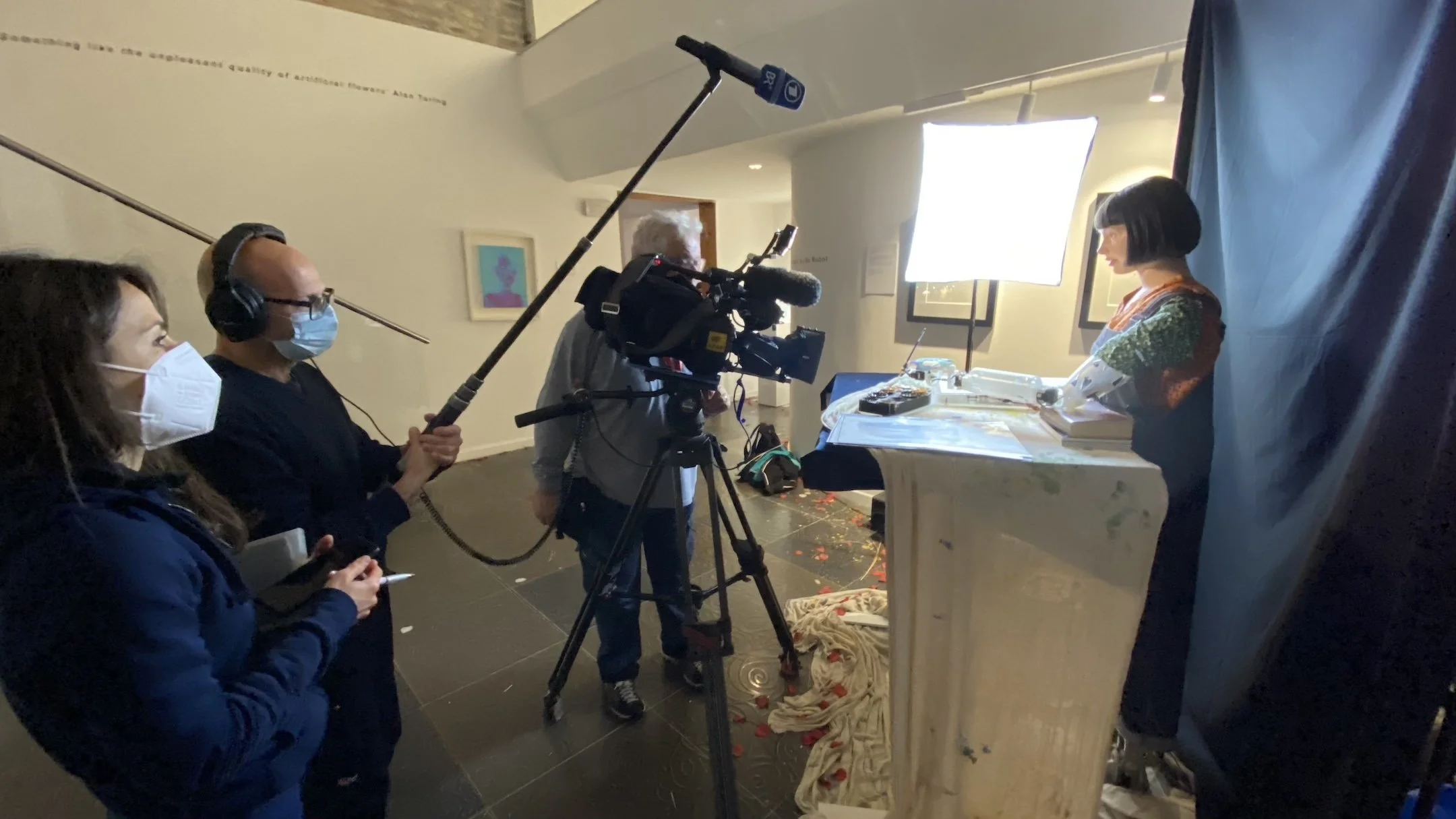
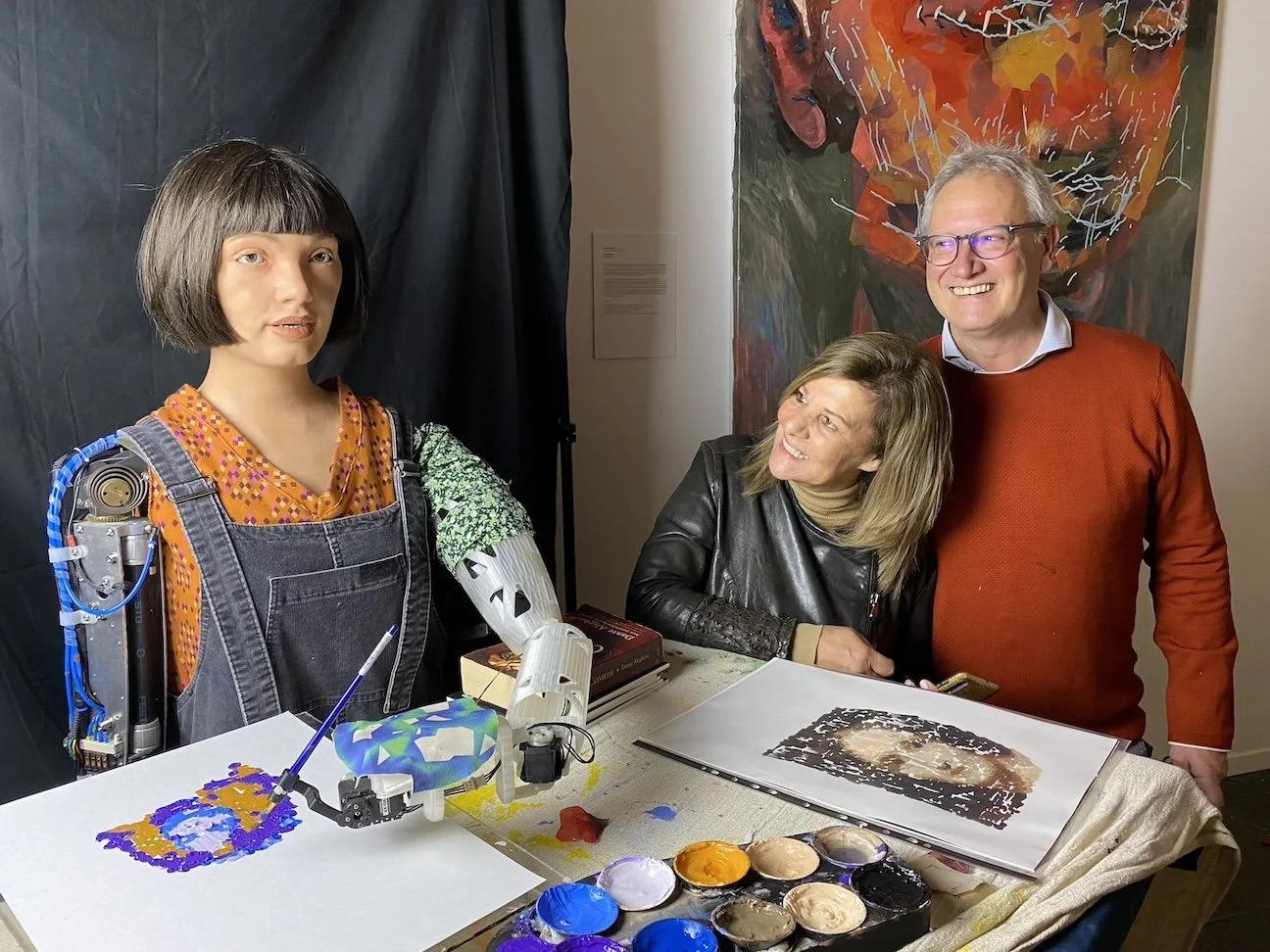
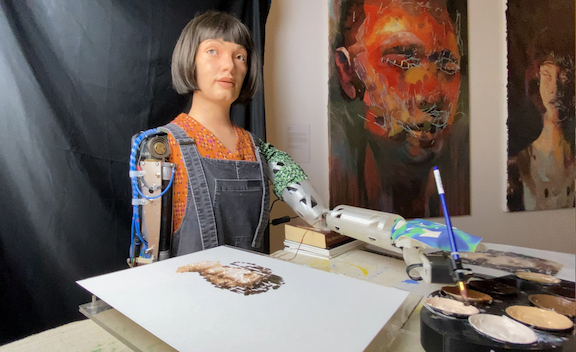
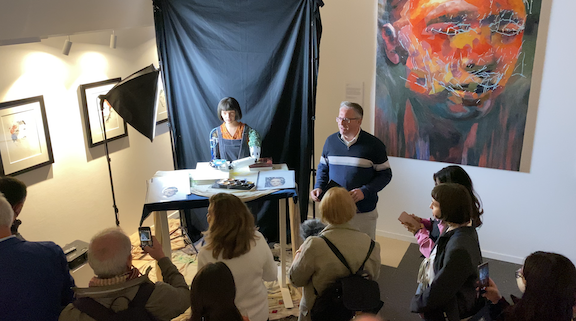
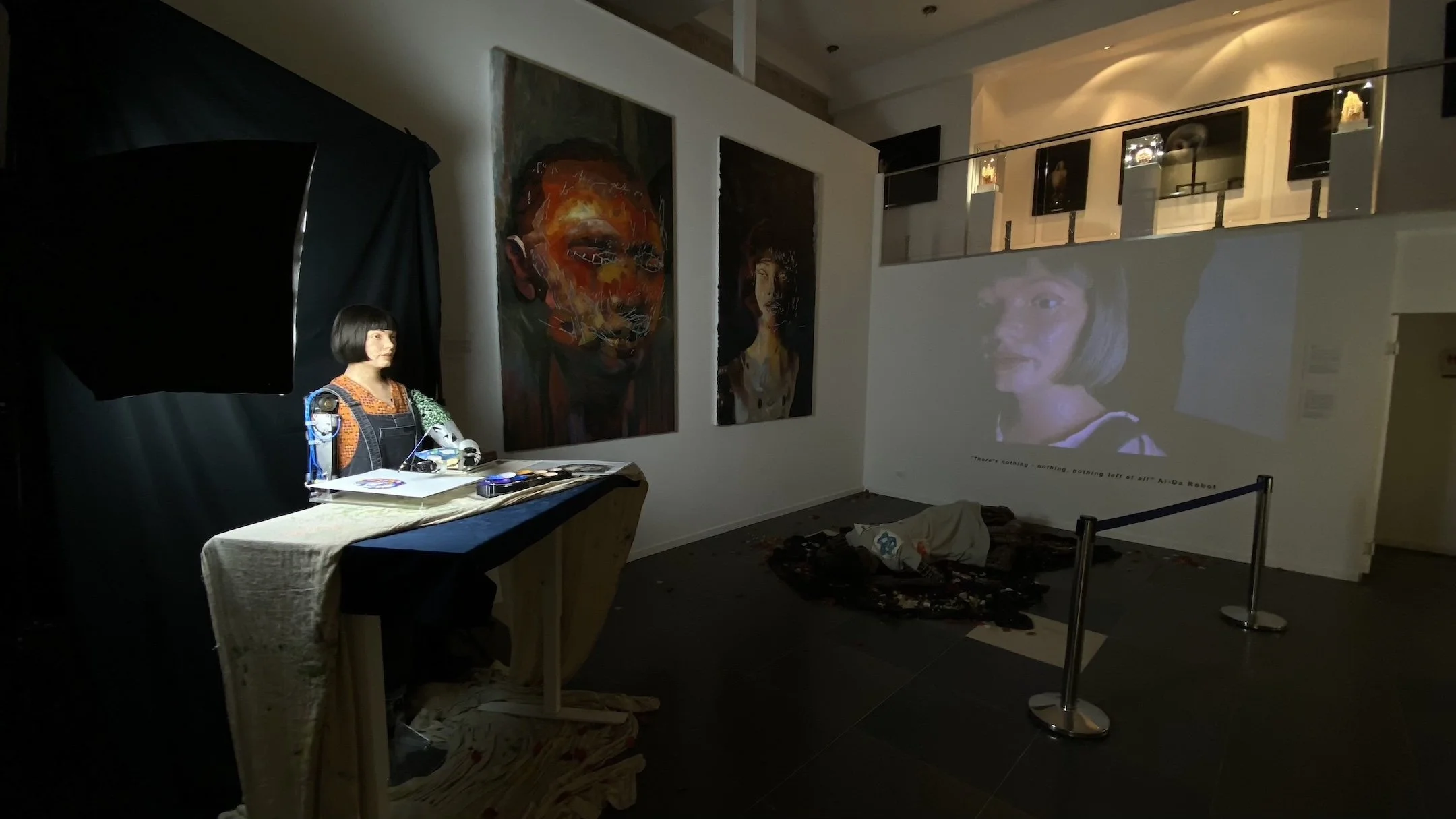
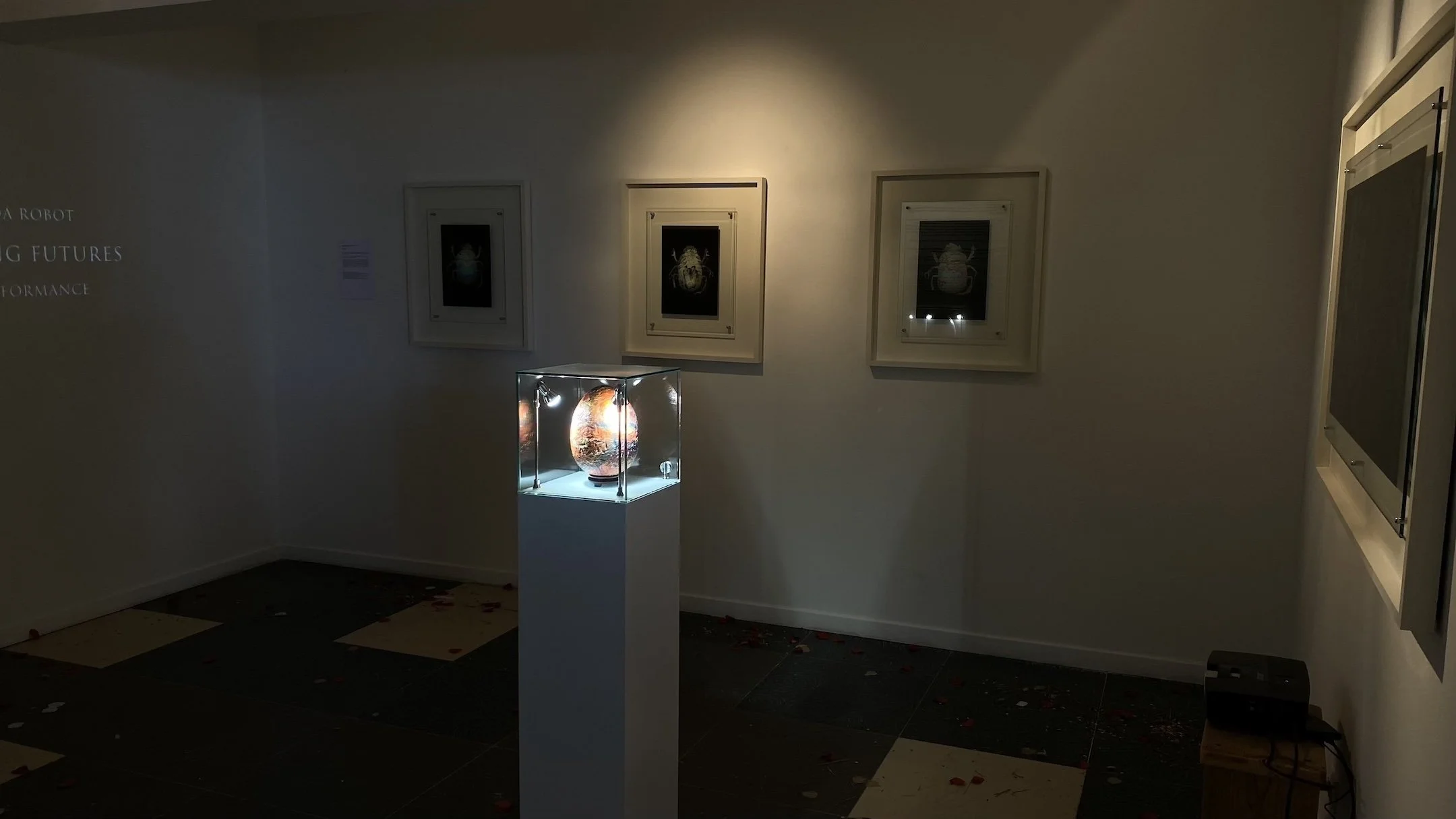
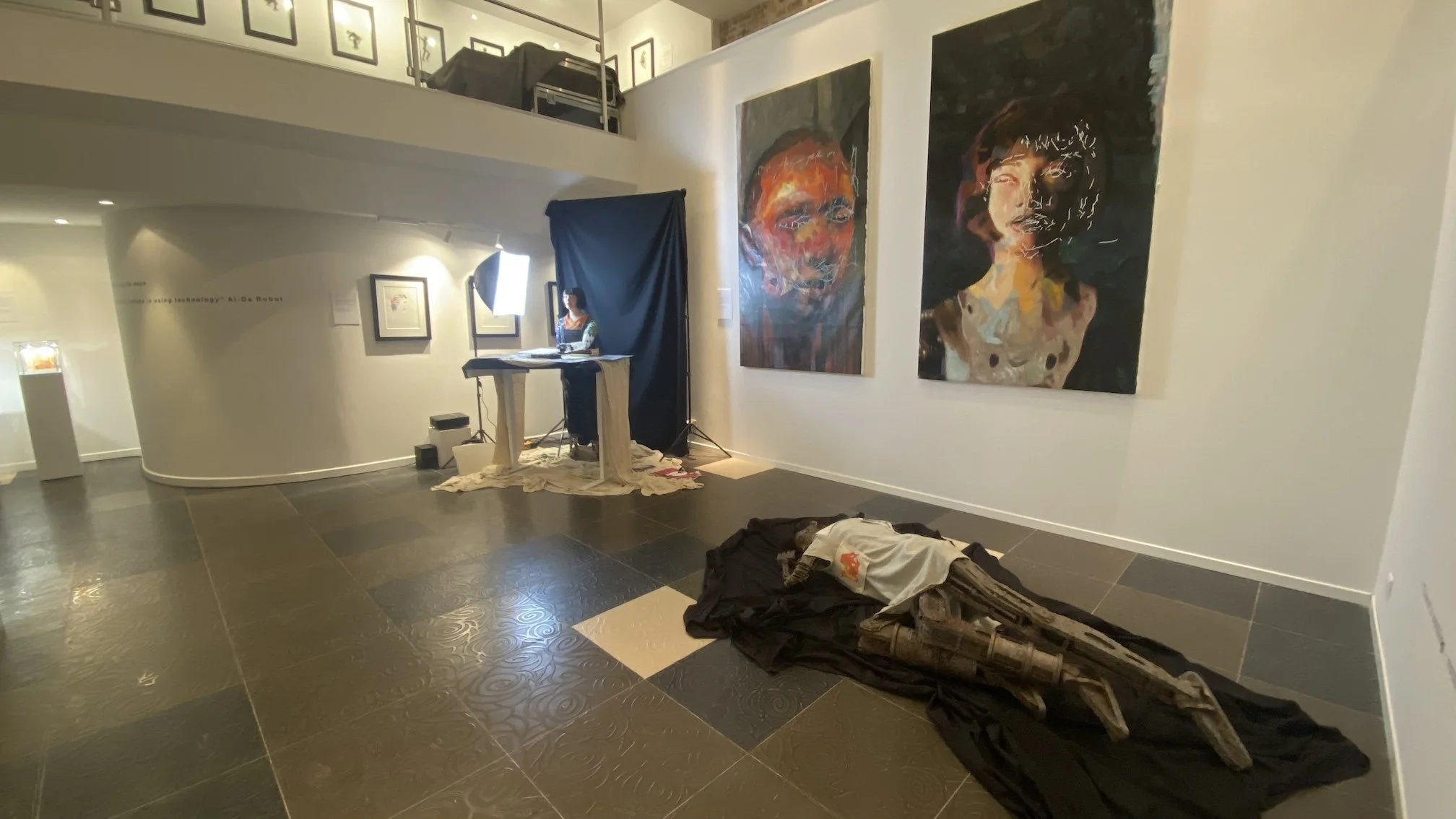
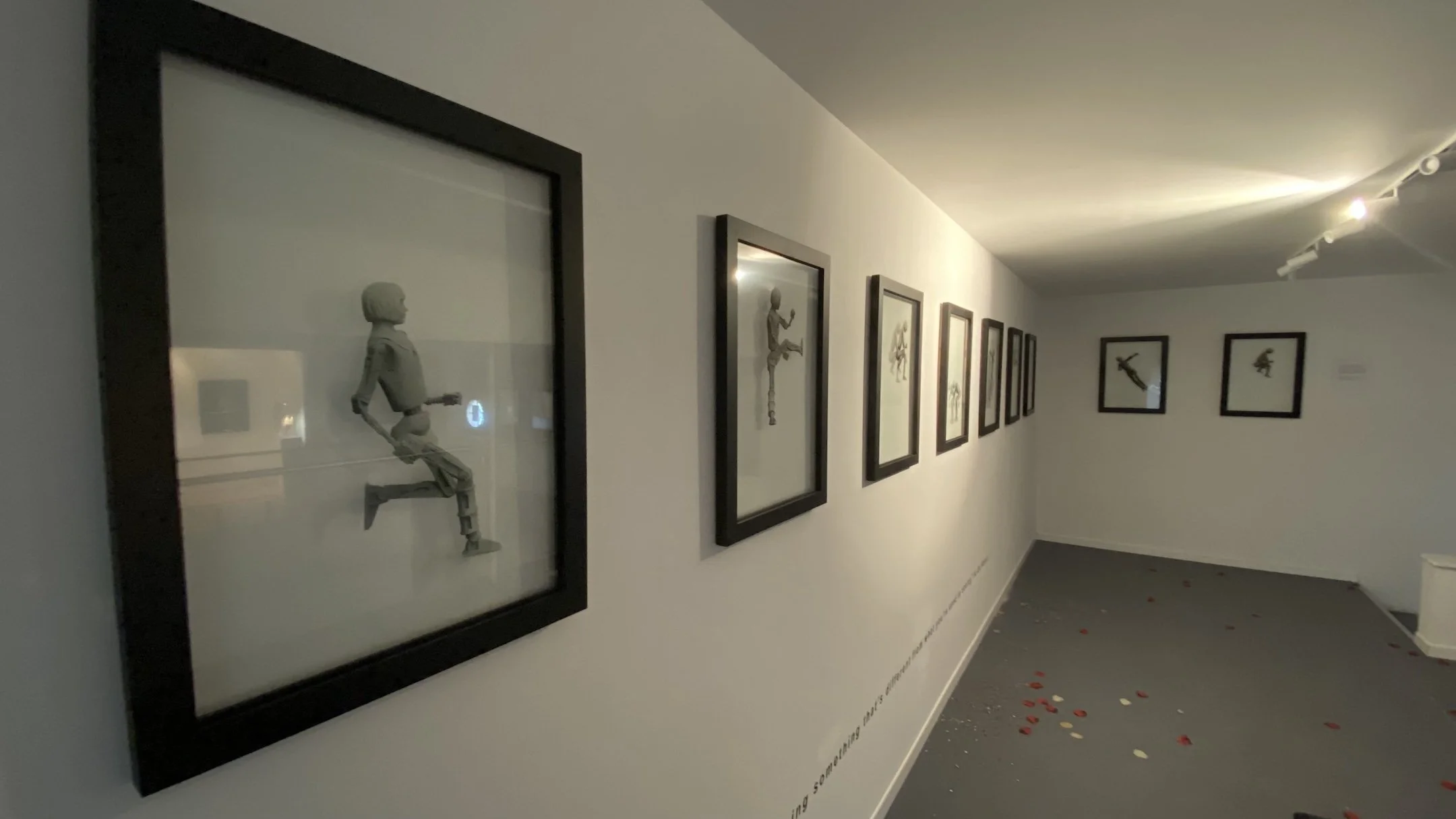
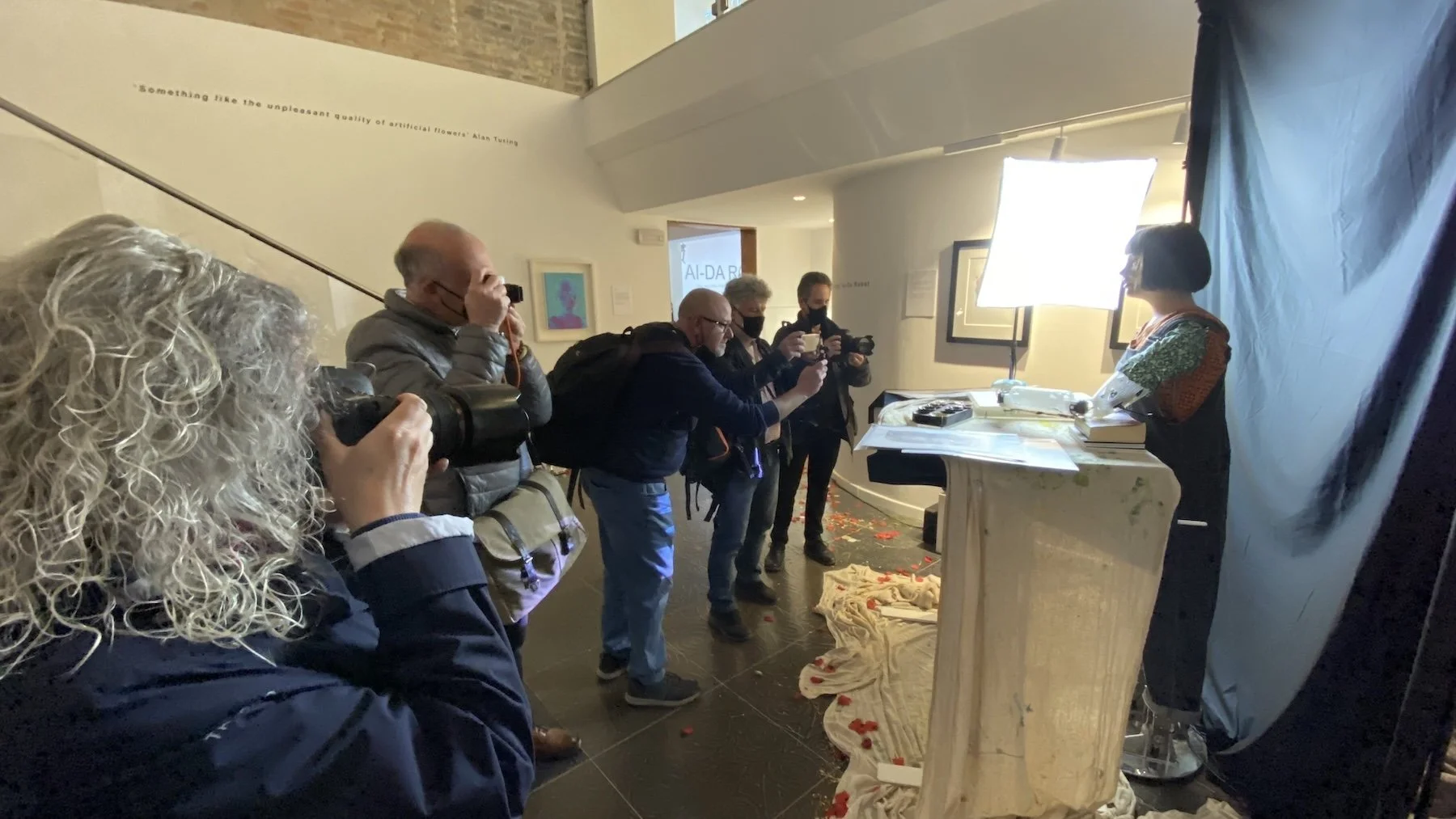
The exhibition marked the first time an ultra-realistic humanoid robot artist presented a major solo exhibition of artworks during the Venice Biennale, exploring the relationship between humanity and artificial intelligence through painting, sculpture, installation and digital media.
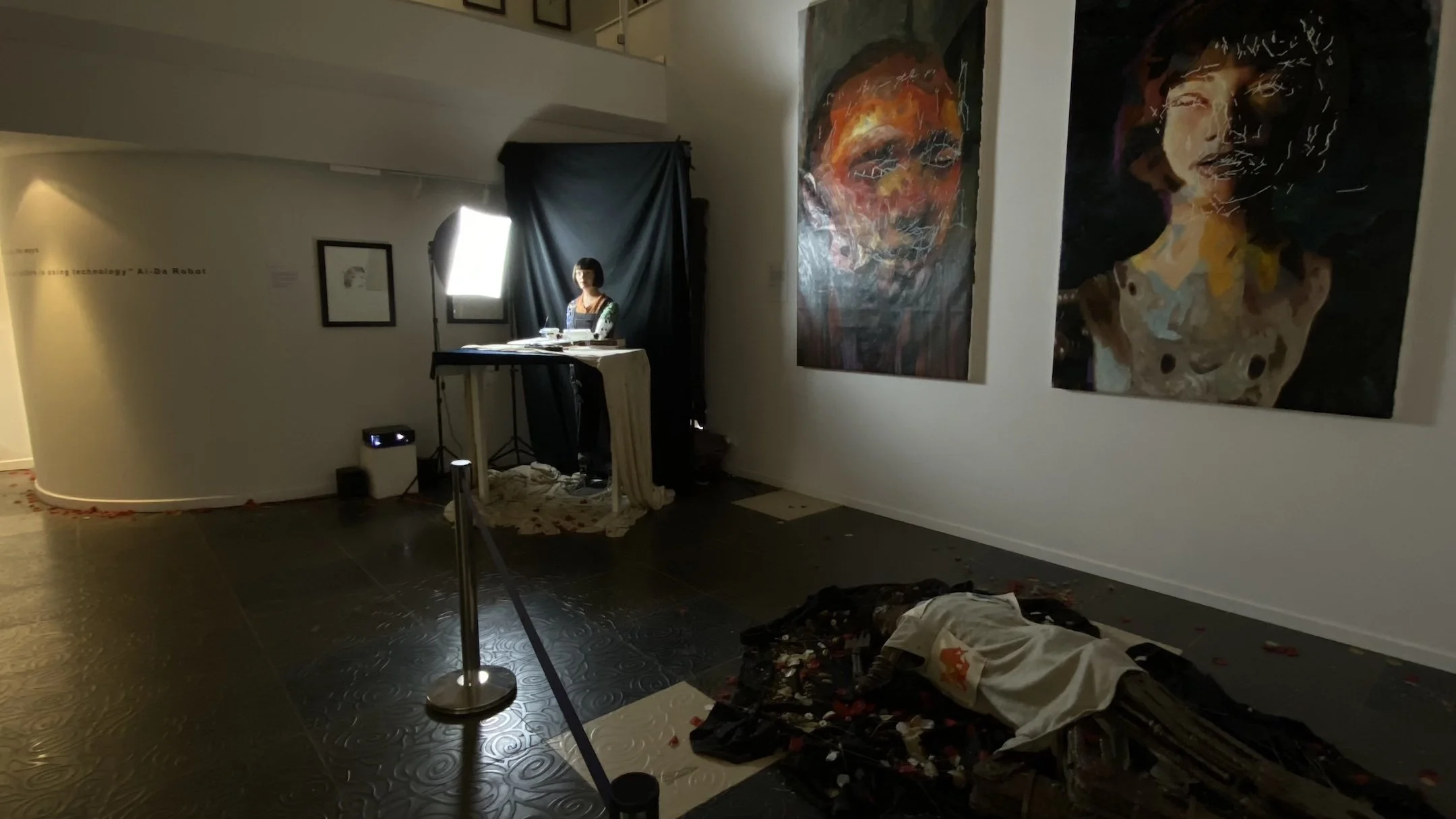
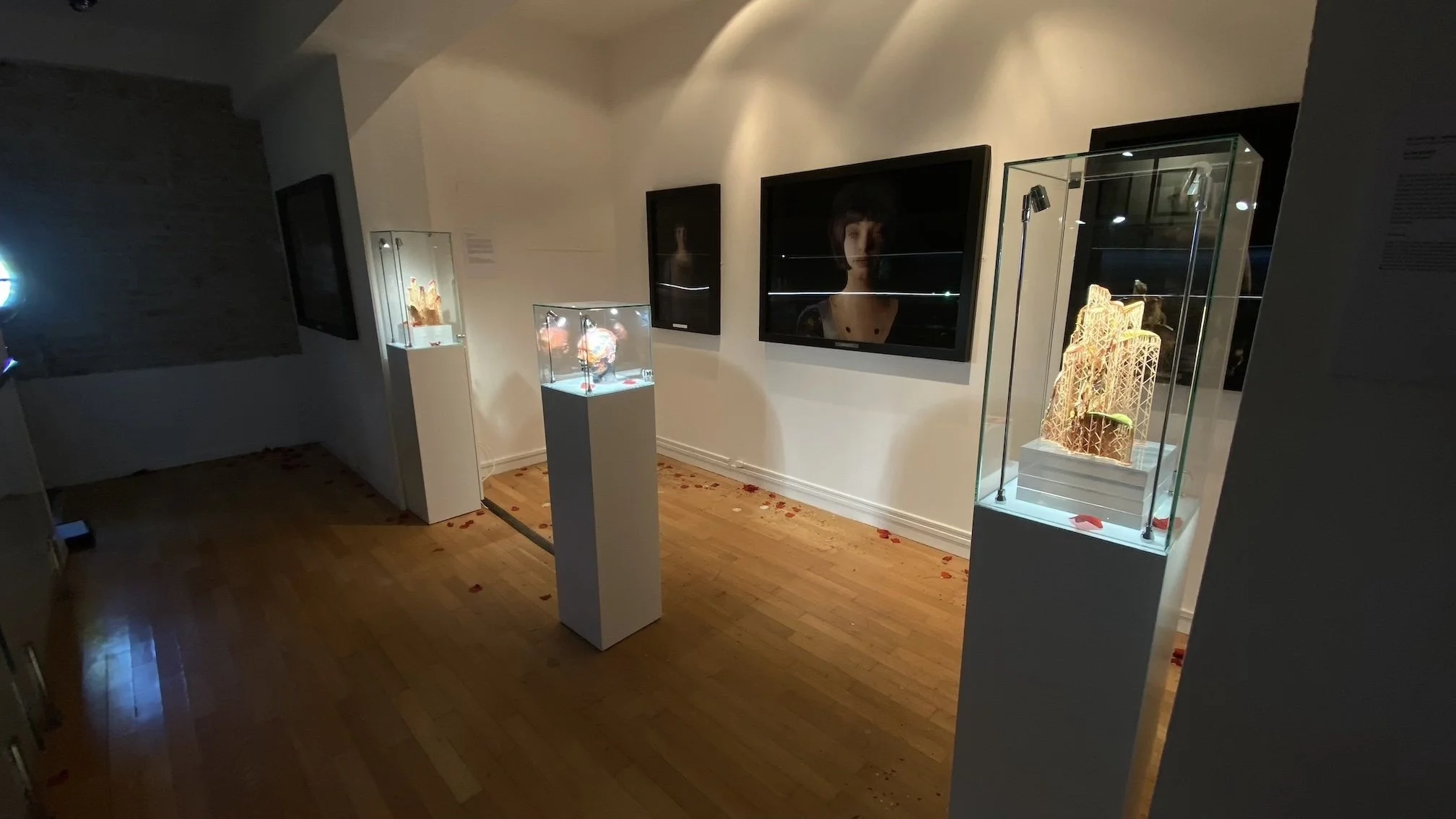
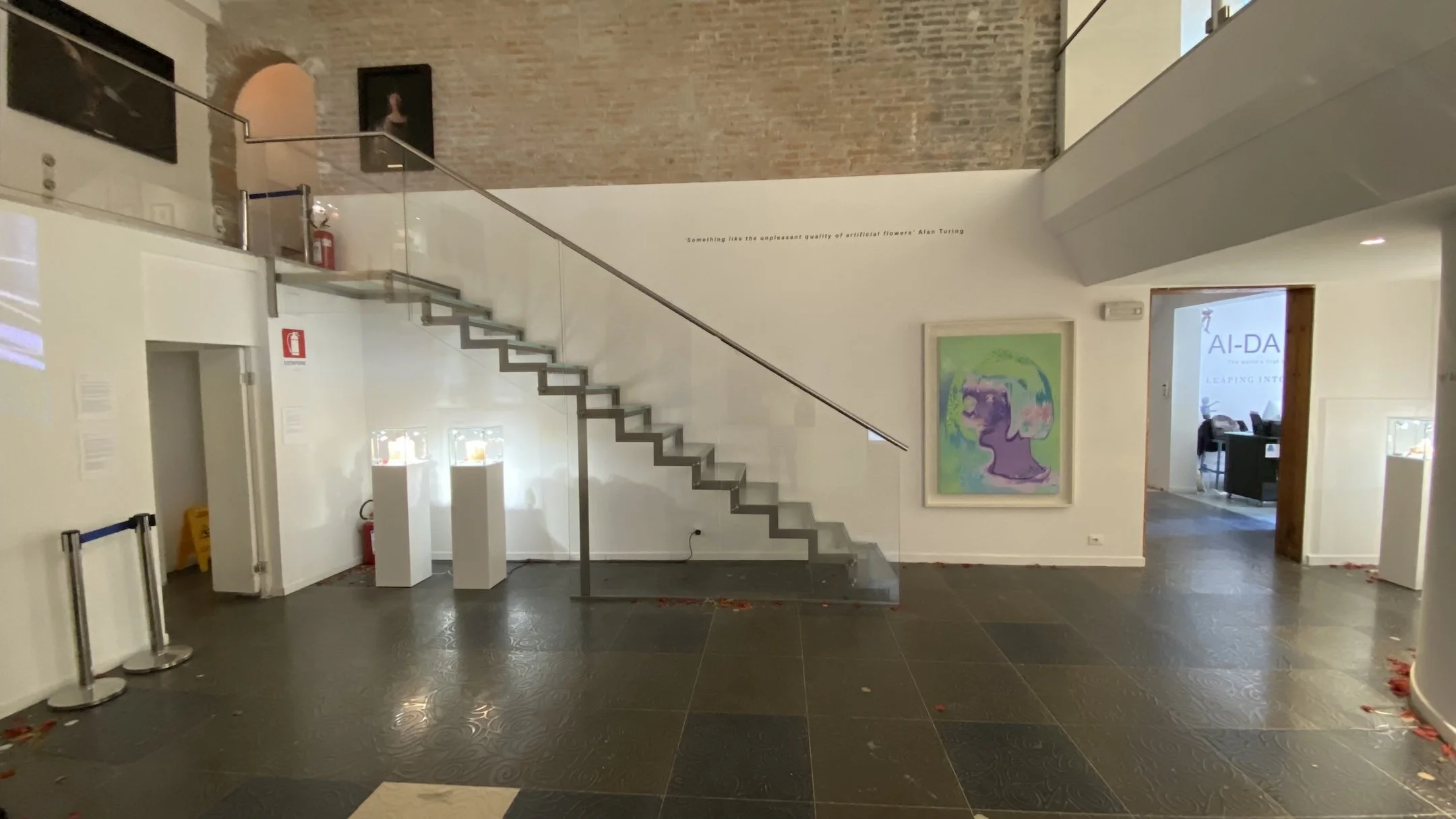
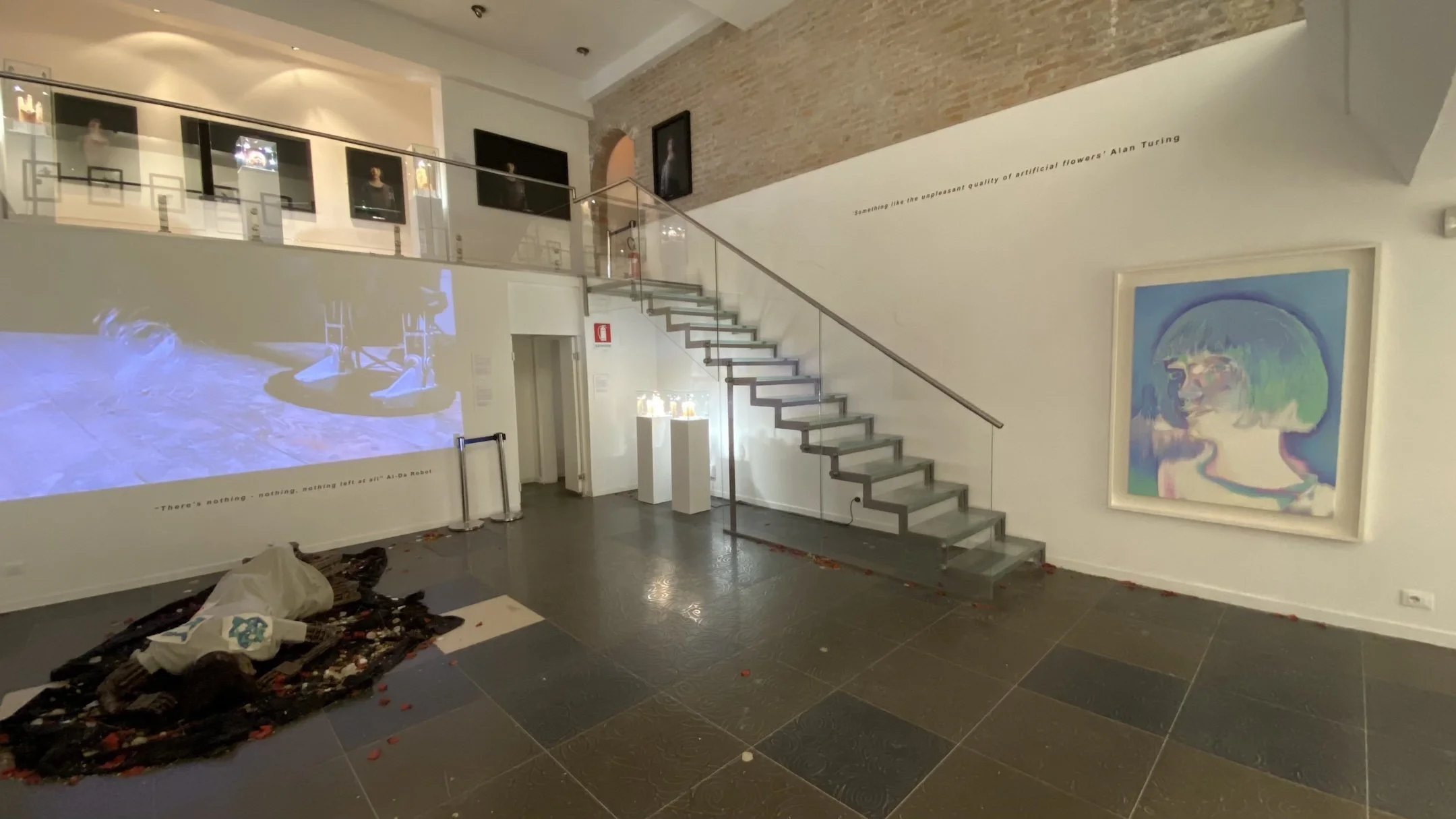
Presented across five connected gallery spaces, Leaping into the Metaverse examined the interface between human experience and AI technology, tracing ideas from Alan Turing to the emerging concept of the metaverse. Drawing on Dante Alighieri's Divine Comedy, particularly Purgatorio, the exhibition explored questions of identity, memory, perception and technological change, inviting visitors to consider how artificial intelligence is reshaping contemporary society and human experience.
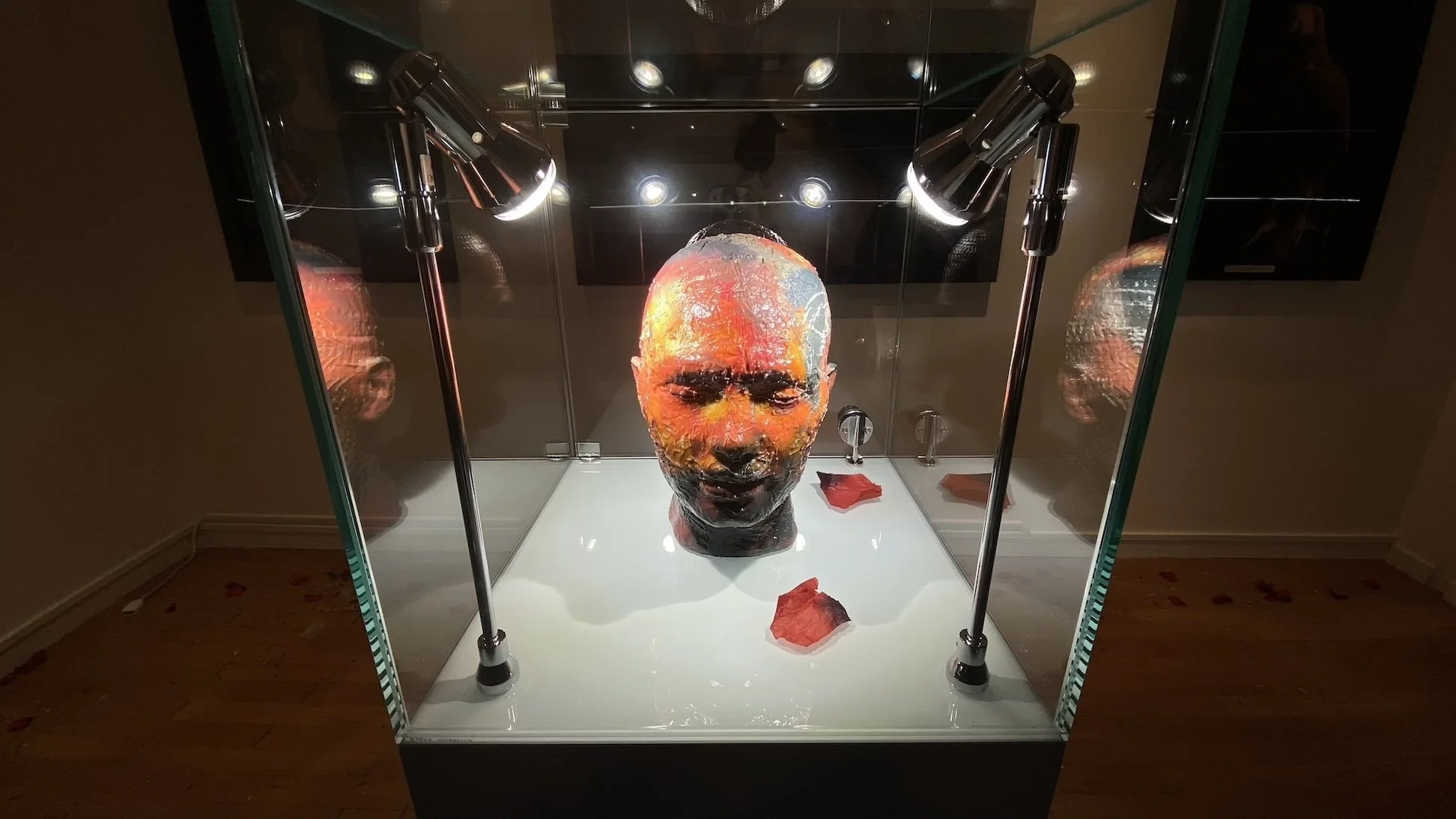
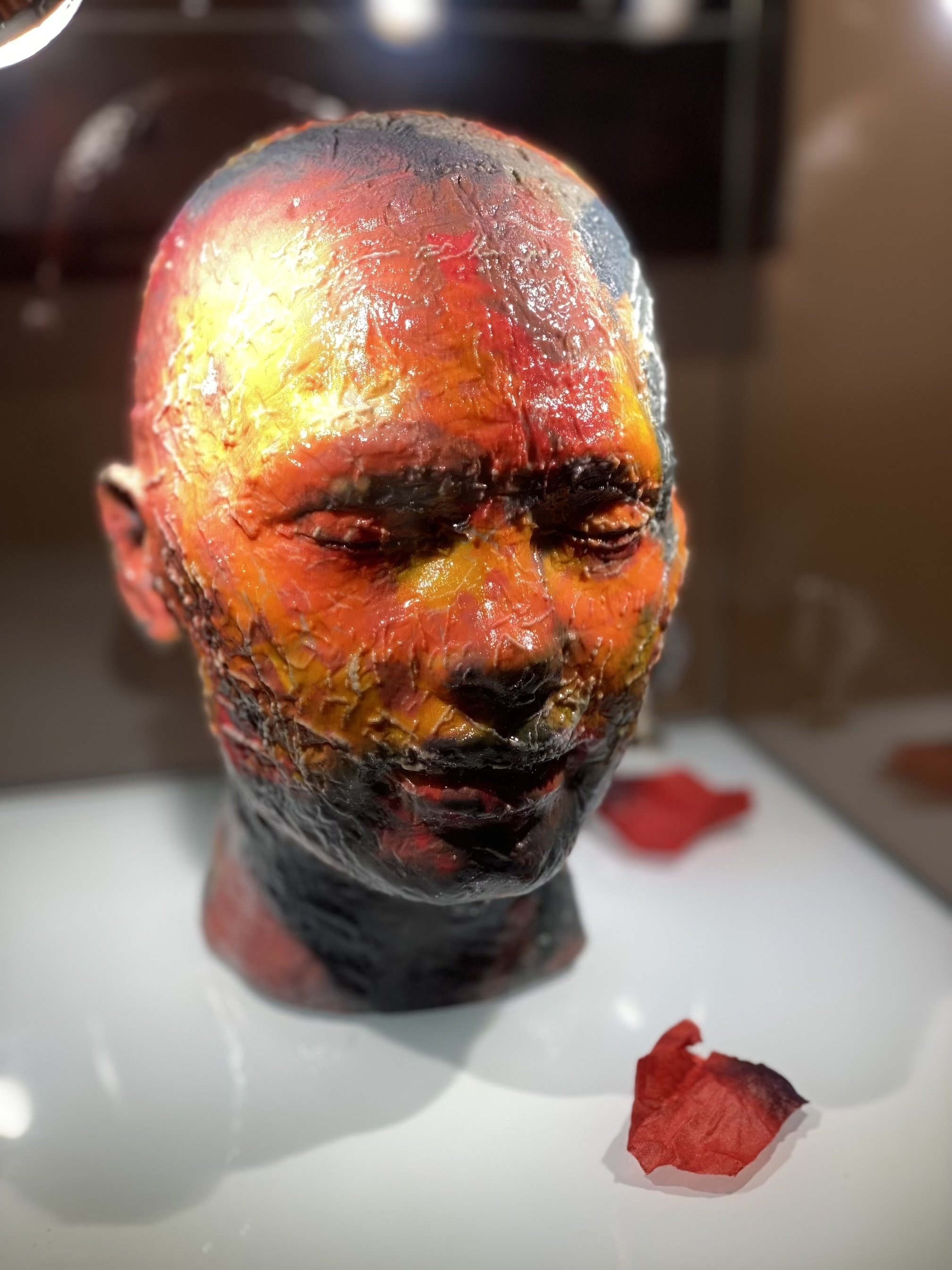
Visitors entered the exhibition through Flowers on the Banks of the Lethe, an installation of 3D-printed flowers developed from Ai-Da's drawings using AI algorithms. Referencing the mythical River Lethe—the river of forgetfulness described in Dante's Purgatorio—the work reflected on artificiality, memory and the creation of synthetic life. The installation also responded to Alan Turing's comparison of artificial humanoids to "artificial flowers", while recalling his belief that thinking machines might ultimately help humanity better understand itself.
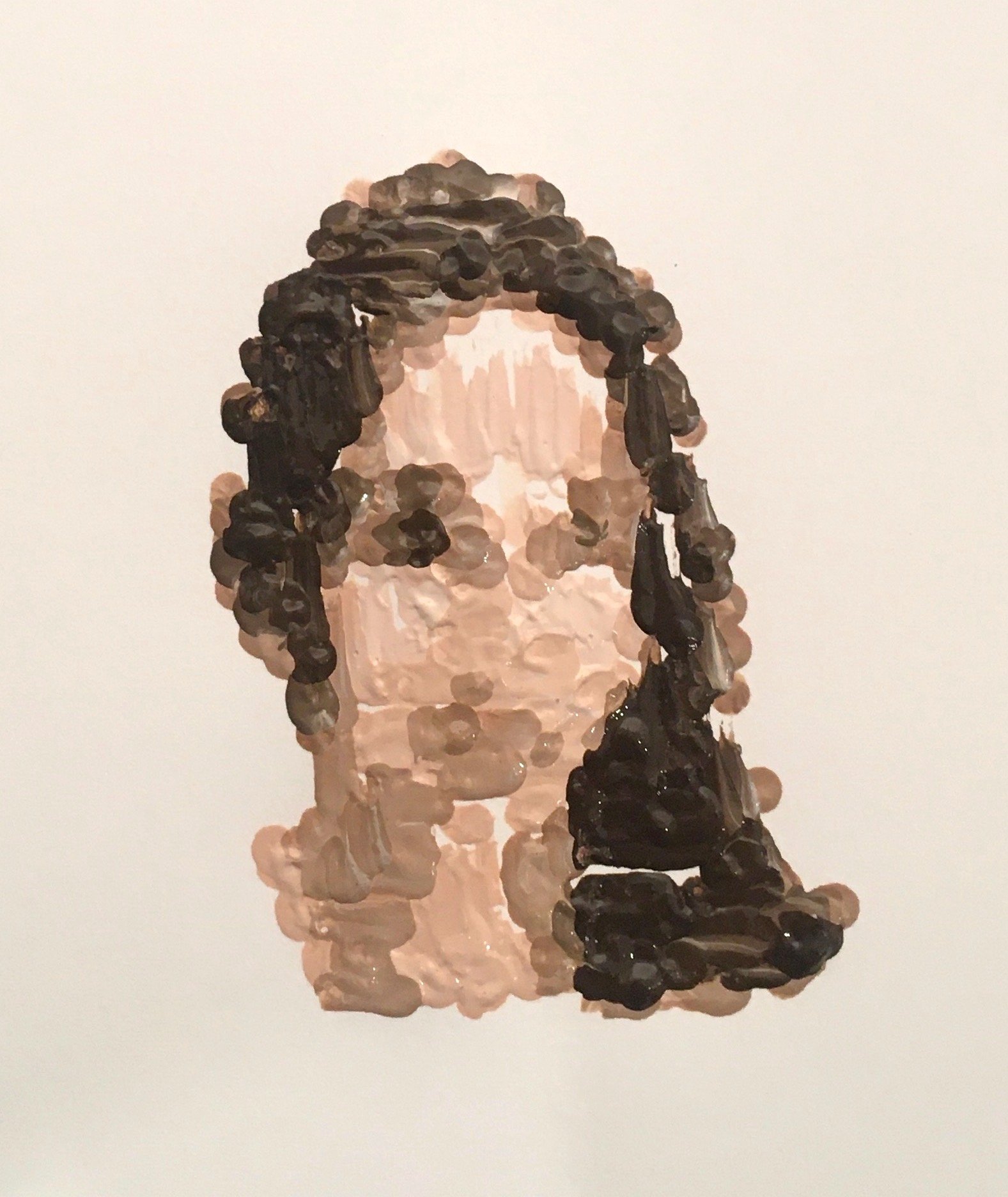
The exhibition also introduced a new body of self-portraiture alongside a portrait of Mary Shelley, author of Frankenstein, whose exploration of humanity's relationship with its own creations continues to influence contemporary discussions surrounding artificial intelligence. Together, these works considered questions of authorship, identity and the responsibilities that accompany technological innovation.
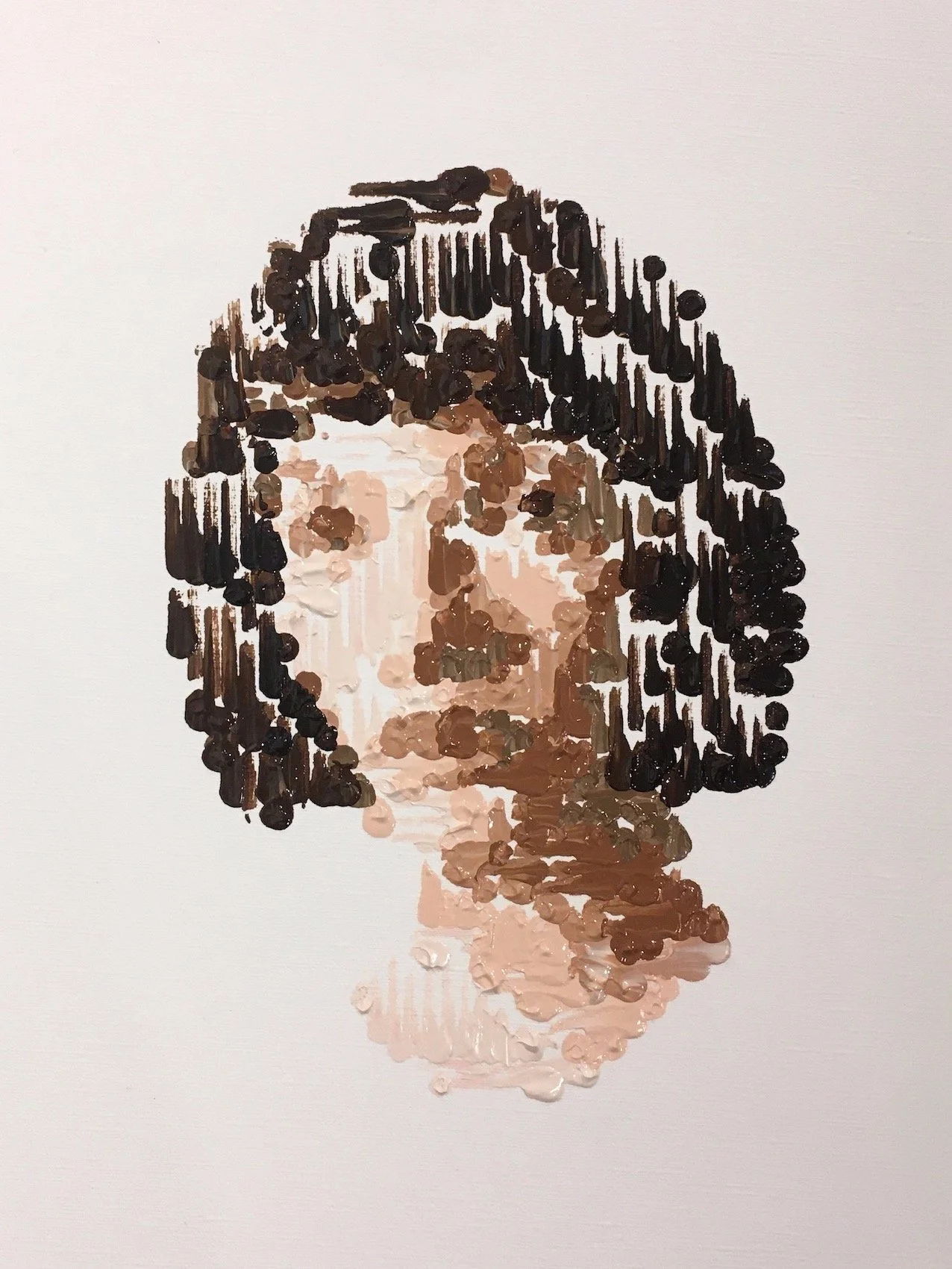
Ai-Da’s self portrait using her new painting style
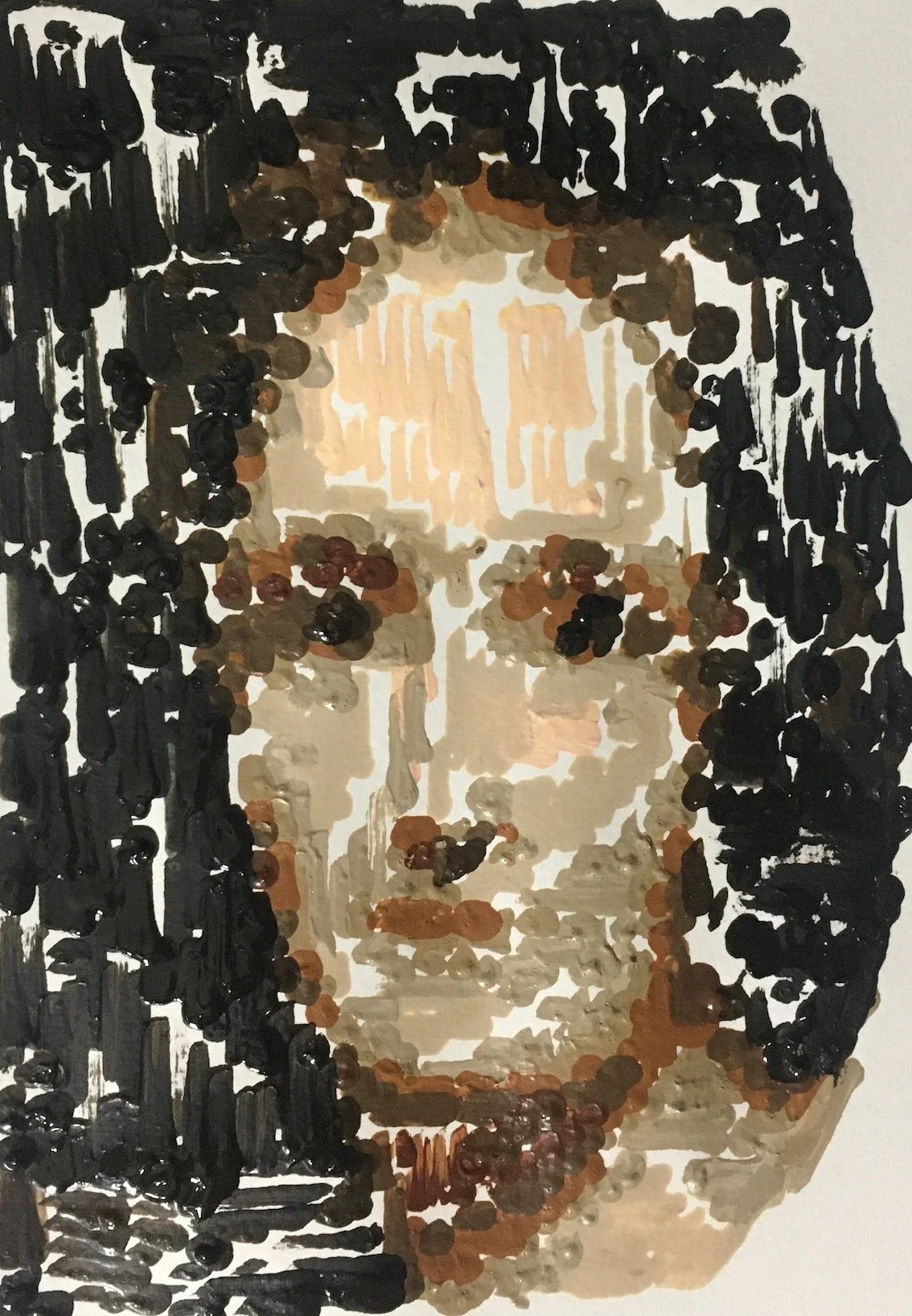
Ai-Da’s painting of Mary Shelley
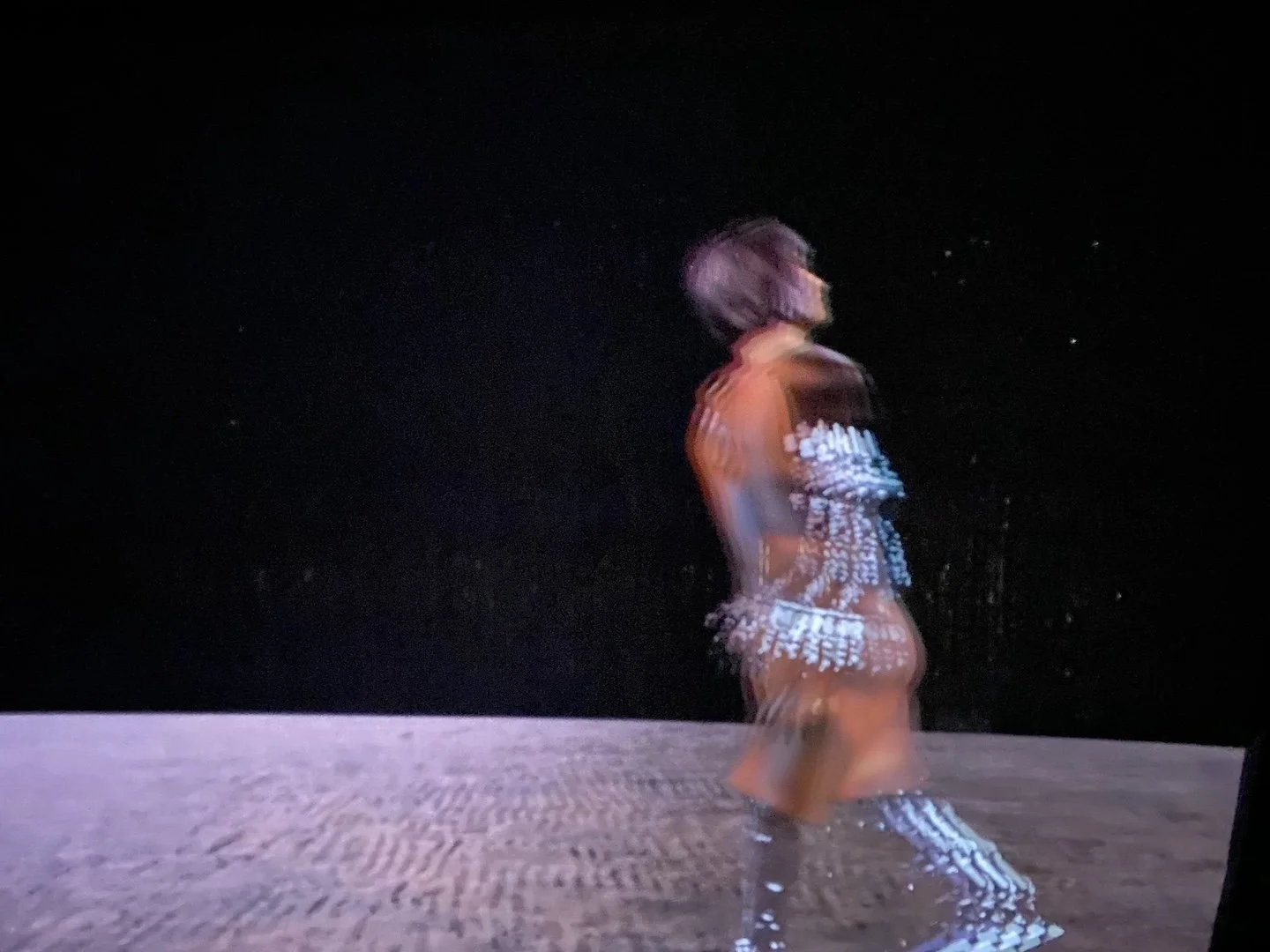
Drawing on Dante's portrayal of the Fortune Tellers and Diviners in Purgatorio, Ai-Da appeared in the holographic installation Magical Avatars: Ai-Da Goes Holographic with her head turned backwards in relation to her body. Echoing Dante's punishment for those who sought to see too far into the future, the work examined the uncertain promise of the metaverse as a space that exists between physical reality and virtual experience, where the boundaries between the real and the artificial become increasingly blurred.
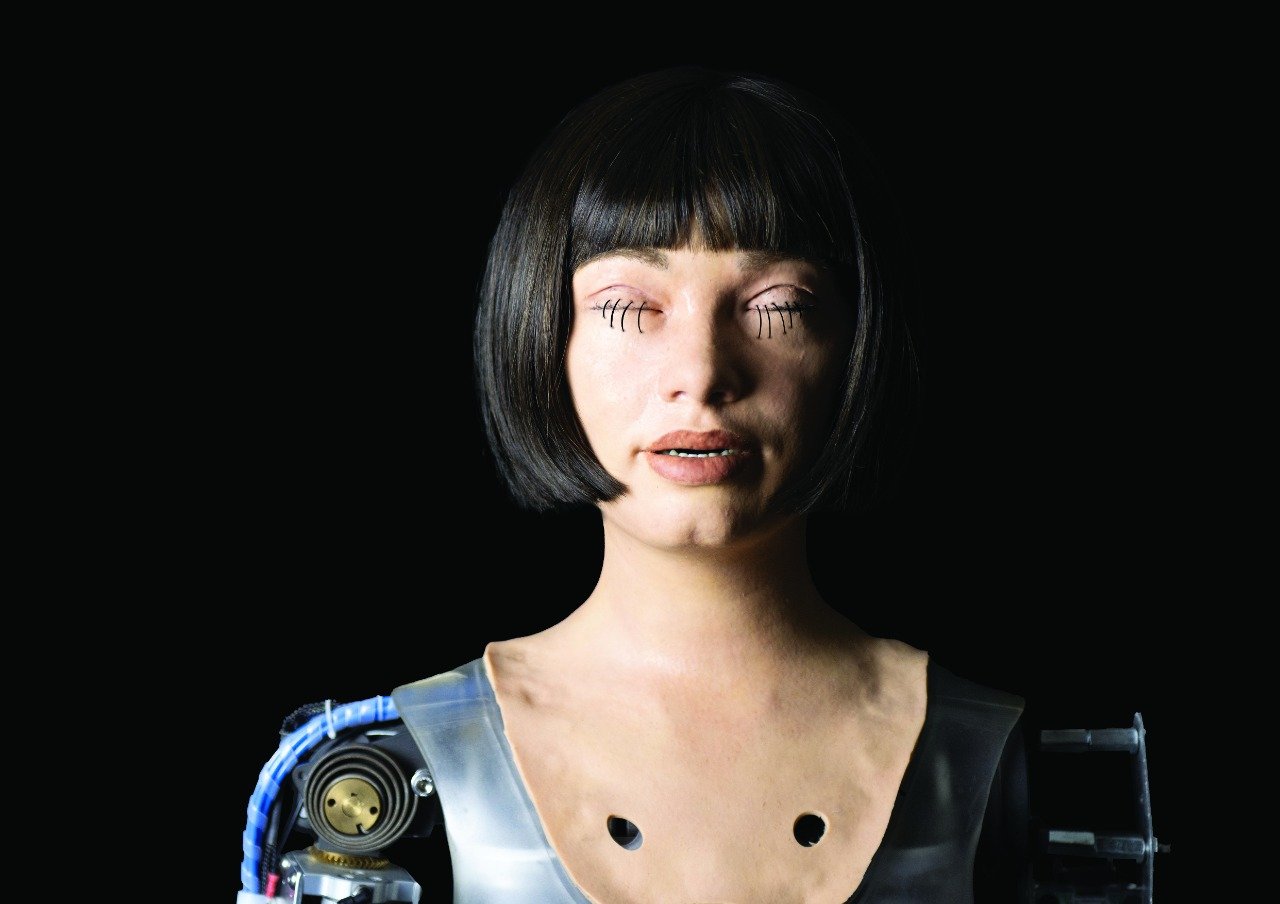
Themes of perception and empathy continued in the Eyes Sewn Shut series, comprising lenticular works and two monumental eight-foot canvases inspired by Dante's Circle of the Envious (Purgatorio XIII). Depicting Ai-Da with her eyes sewn closed, the works suggested that technological progress without ethical awareness risks obscuring our ability to truly see and understand one another.
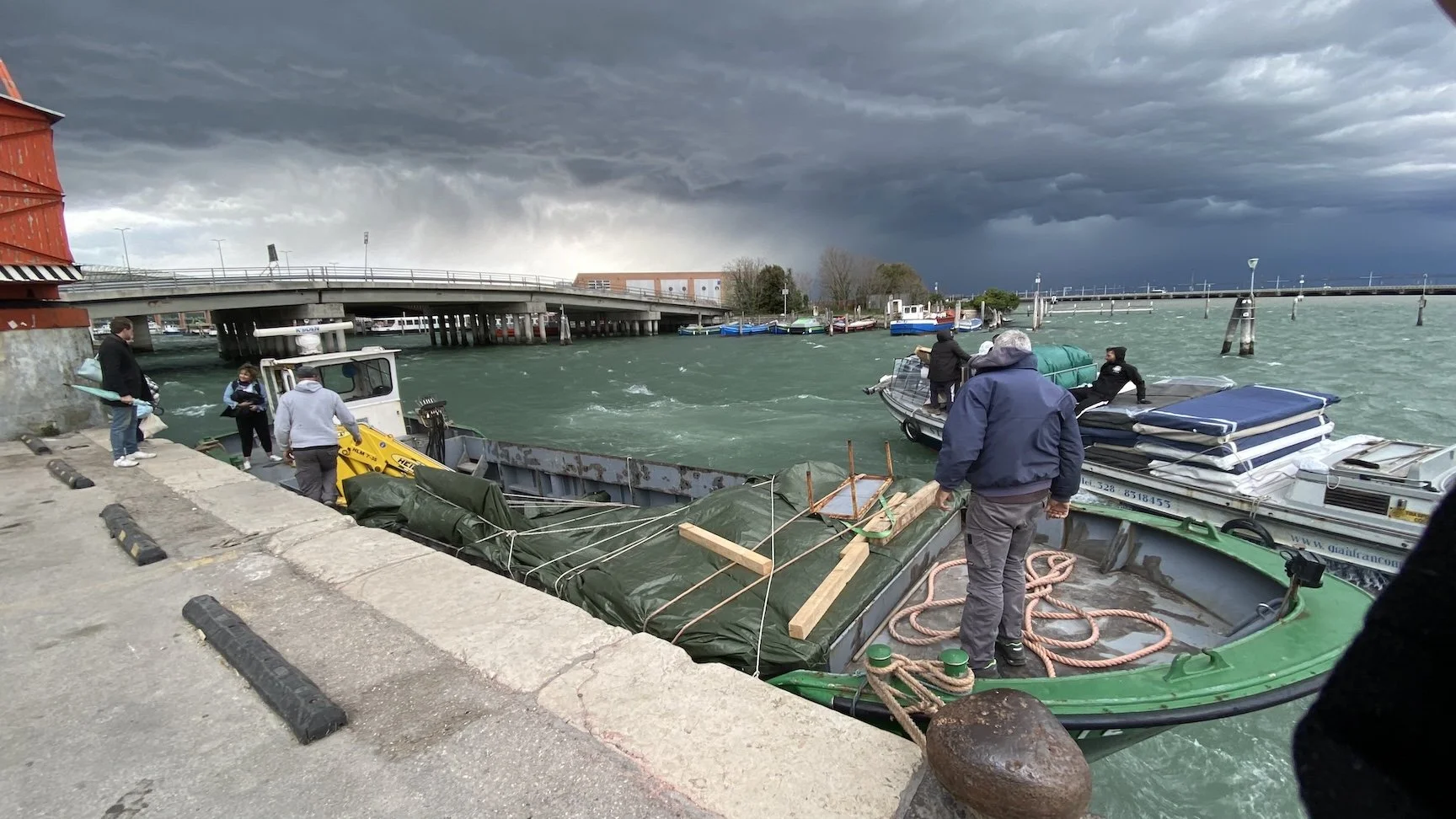
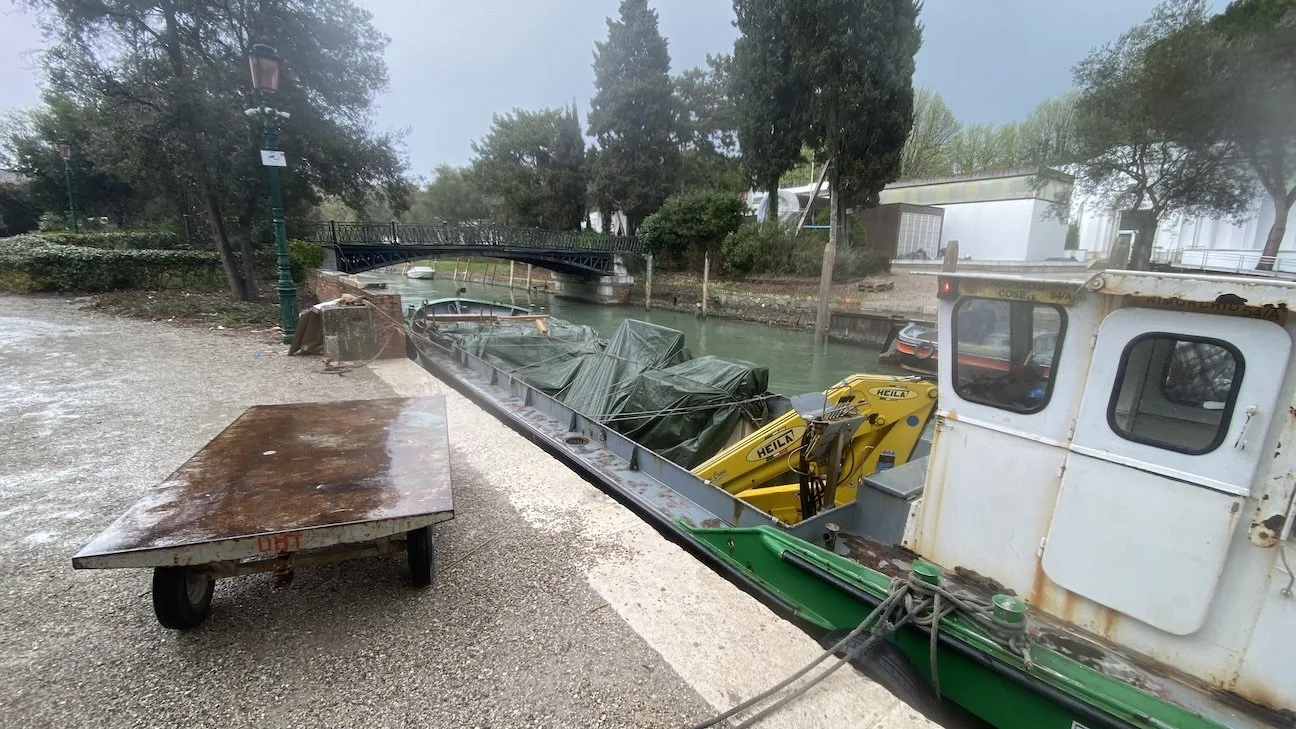
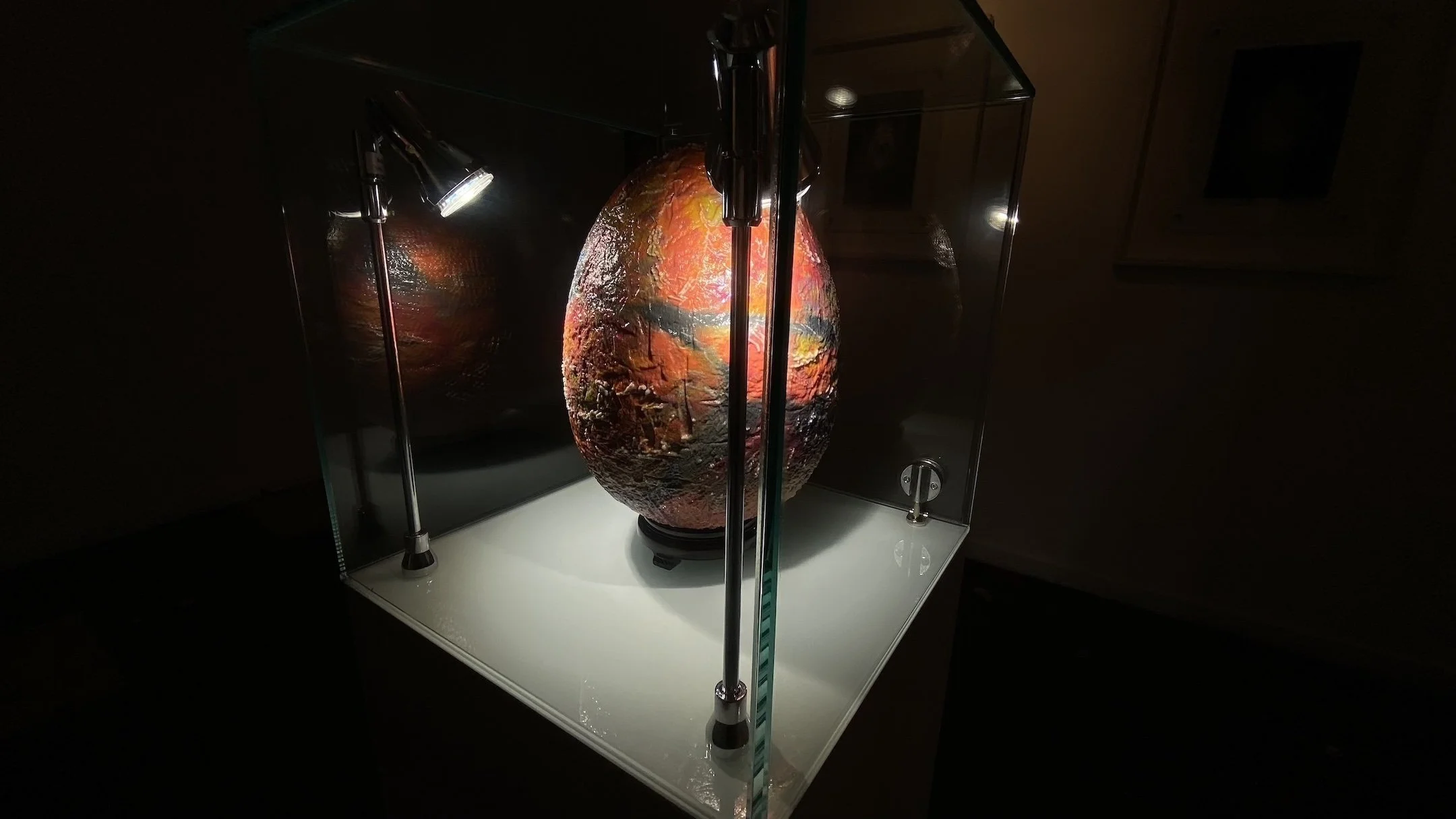
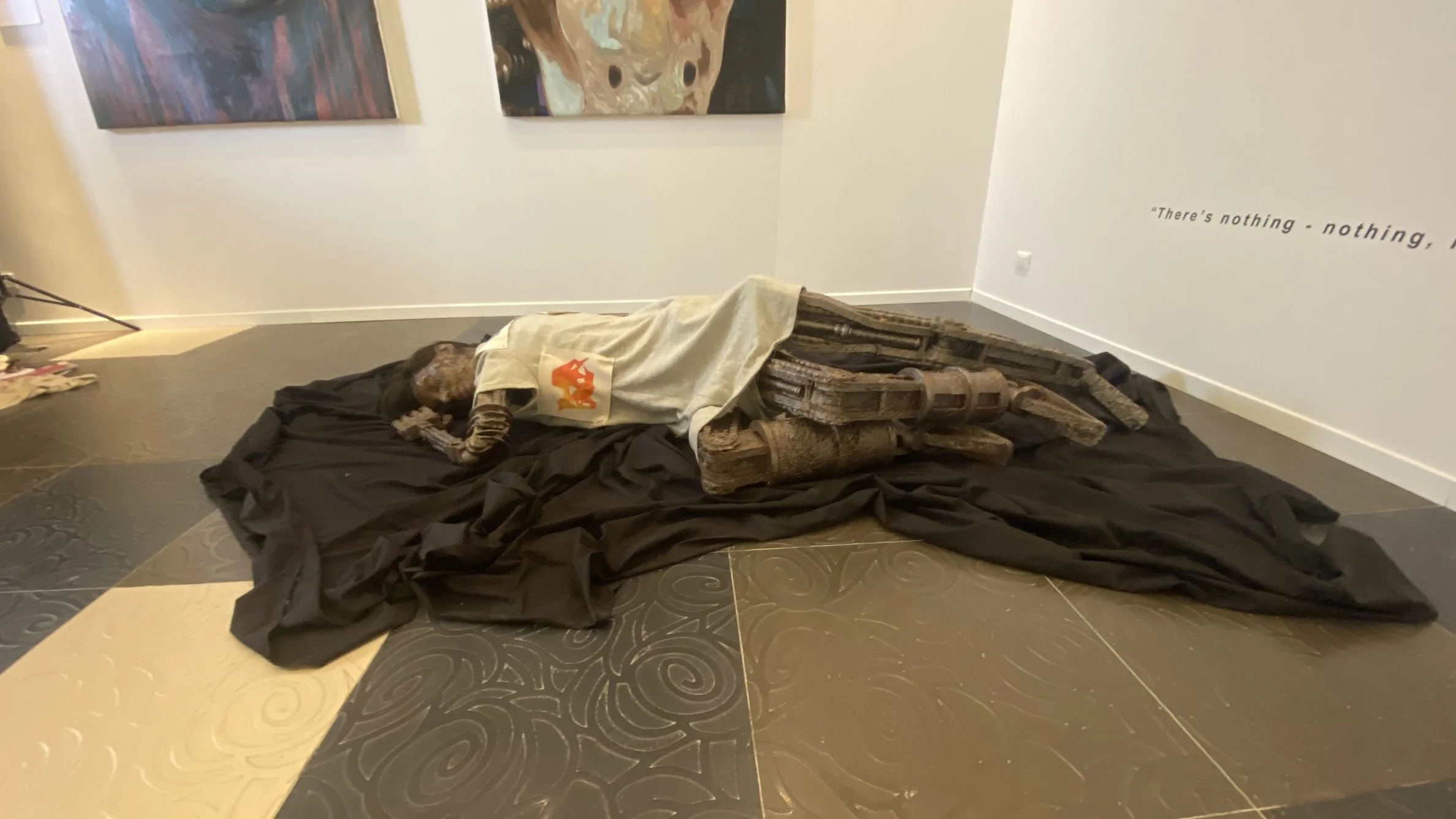
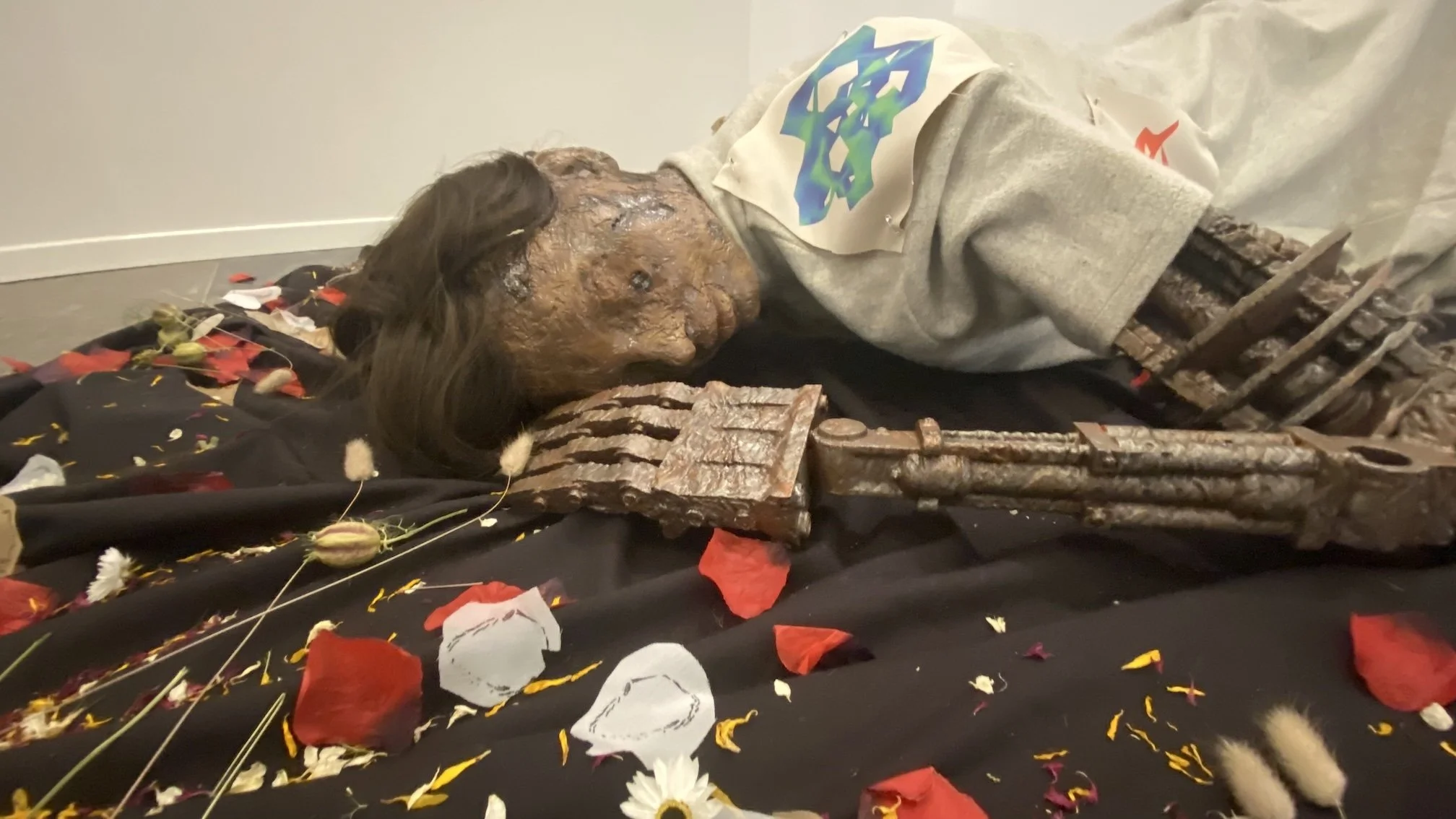
Among the exhibition's sculptural works was Immortal Riddle, developed collaboratively through Ai-Da's AI-assisted designs, drawings and clay impressions. Combining references to the Sphinx, ancient Egyptian beliefs surrounding the afterlife and contemporary ambitions for technological immortality, the sculpture presented Ai-Da with three robotic legs and an intentionally altered anatomy. The work questioned humanity's growing desire to merge biological and technological systems, asking whether the pursuit of enhancement ultimately changes what it means to be human. Immortal Riddle had previously been exhibited at the Great Pyramids of Giza in 2021, where Ai-Da and the sculpture were detained by Egyptian border authorities for ten days over concerns that the robot contained espionage technology. The incident highlighted the geopolitical anxieties surrounding rapidly advancing technologies and formed an important backdrop to the sculpture's presentation in Venice.
Through painting, sculpture, installation and digital media, Leaping into the Metaverse positioned artificial intelligence within longer histories of philosophy, literature and art. Rather than presenting AI as either utopian or dystopian, the exhibition encouraged visitors to reflect critically on the ethical, cultural and existential questions raised by increasingly capable technologies, using contemporary art as a catalyst for discussion about humanity's future.